My New Favourite Book: Women in Science

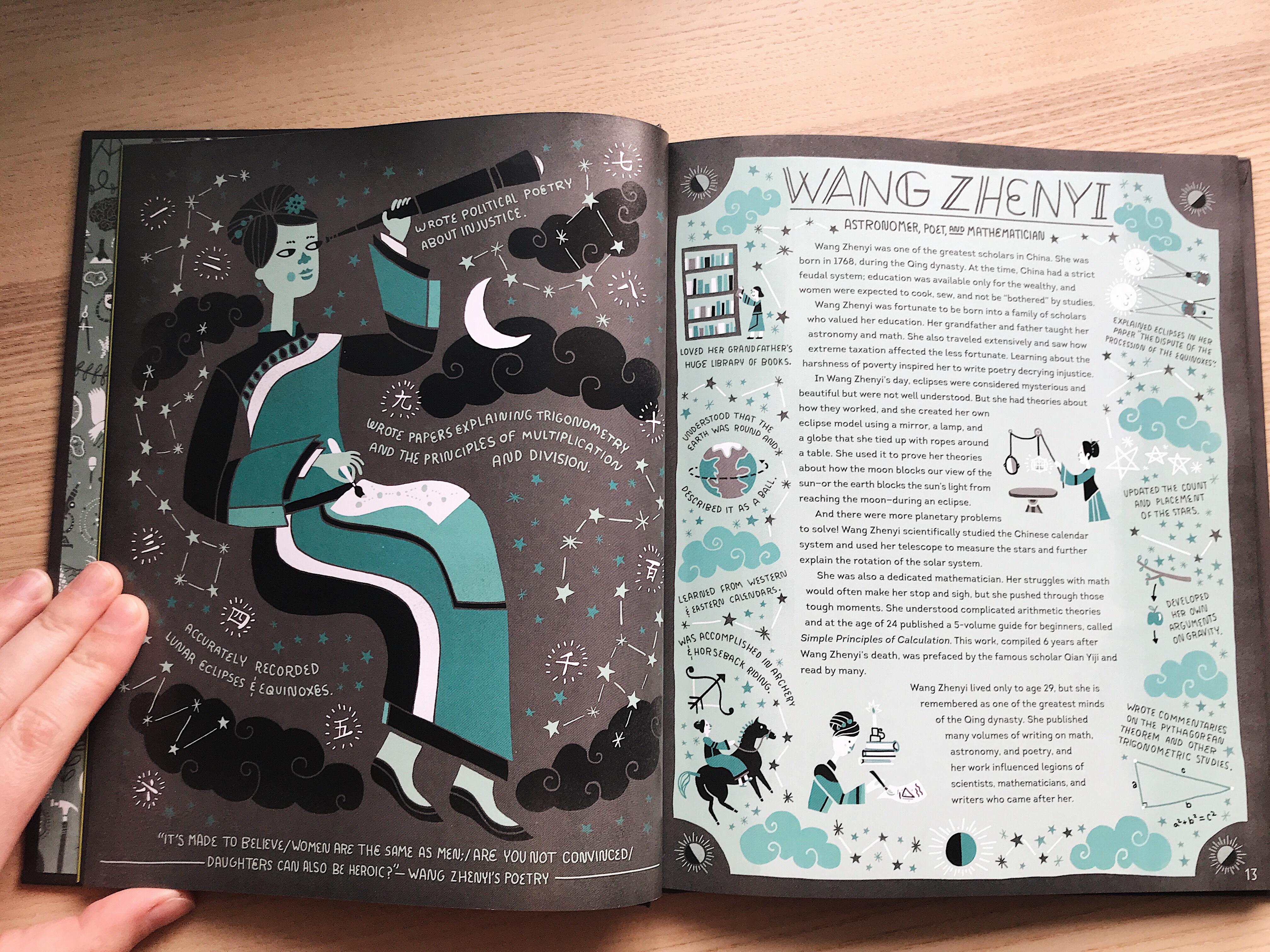
It’s Women in Science: 50 Fearless Pioneers Who Changed the World
by Rachel Ignotofsky
and it’s so gorgeous and well-done, I was smiling wide while reading the whole thing.

I LOVE THIS BOOK. I realized that the moment I laid my eyes on it because the illustrations are EVERYWHERE and adorable. I love it so much. I found this book by listening to a podcast called “Talk Nerdy” where Rachel Ignotofsky was on talking about the books and other things. She’s also created books with Women in Sports and The Wondrous Workings of Planet Earth. This book is written with kids in mind, because the writing is elegantly simple and accessible. I’m going to gift this to every kid I know, I would recommend it to everyone else as well.
Why I think encouraging girls to study science is very needed

I’m going to study science at university, but as I was growing up I’ve seen nearly just male scientists and had only male science teachers (until now). Not only that – growing up I had no female friends interested in science! What you choose as a career isn’t just based on your own interests and views, but things like who you can imagine yourself as in the future, in ways it’s difficult to control or pinpoint. I grew up in a place where people were very encouraged to follow what they were good at and make a living out of it, while where I’ve spent the last five years is more focused at getting the right degree or experience to work in one of the existing jobs. I’ve seen those different mindsets, along with economical situations of course, really make an impact on people’s choices.

I’ve never tried to shape my life after role models, but then I’ve also never had anyone I wanted to be like. This book gives so many examples of women who followed their passions and made their own path. And that’s really needed, because you want science (especially maths and physics, which is still stigma around) to be introduced as viable alternatives.
Here’s the thing that sucks: people don’t understand at even smaller levels what makes it harder to be a girl in science. It’s 2019 and I’ve heard a lot of jokes from my own physics class, every one of them individually harmless, but together they further a division. The fact is that I’m not trying to prove myself every time I step into a classroom, but that’s a choice I had to make to be able to be curious and ask questions, and something I see others are struggling with. I think it’s important to not divide scientists into “scientists and female scientists”, but mostly at a higher level, because as long as it’s not as many male and female choosing the fields, it is needed to encourage girls in different ways to cancel out those different social views that has gotten us here. One of the guys in my class was disagreeing with one of many invitations to visit a university being only for women, and I get the immediate reaction. But it shows how hard it is to make someone understand how it can affect a person growing up seeing girls staying dumb on purpose because doing well on math tests isn’t cool or likeable, or encouraged by parents really, and how it’s so hard to find other girls with shared interests.

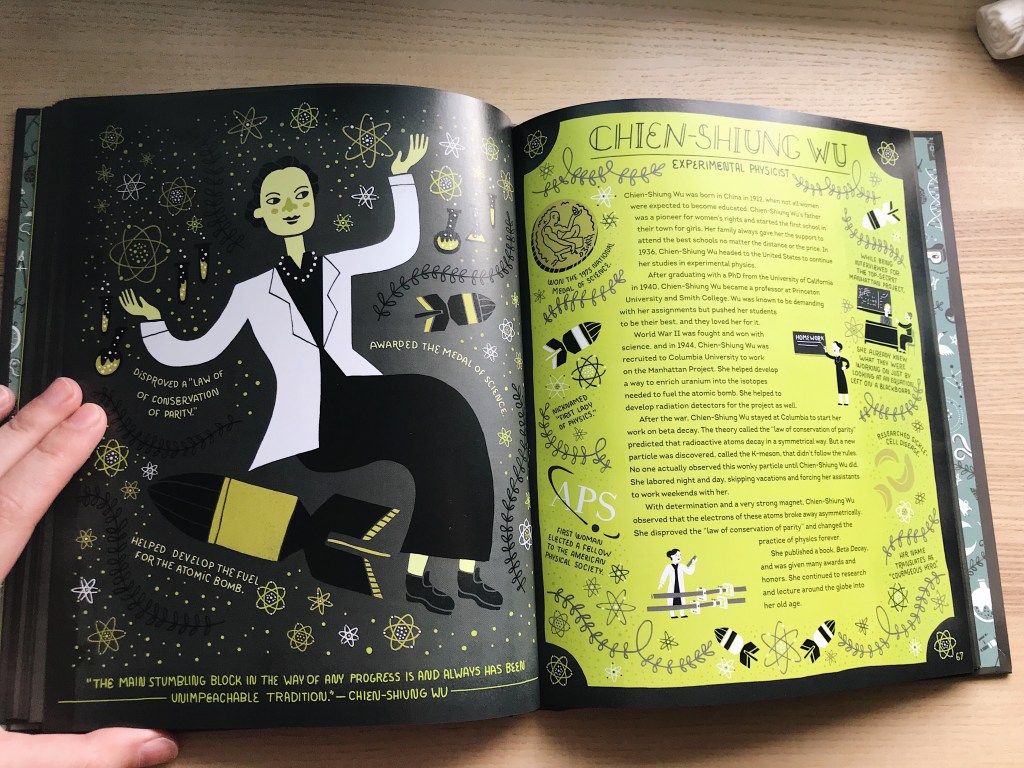
But also look at the norwegian scientist featured! I was really excited, even though it’s one of the few I already know more about in this book. To round this off- I’ve seen more initiatives to get girls/women into science fields, some of them natural, others very cringe-inducing, and really think and hope it’s getting better than it was just ten to five years ago.
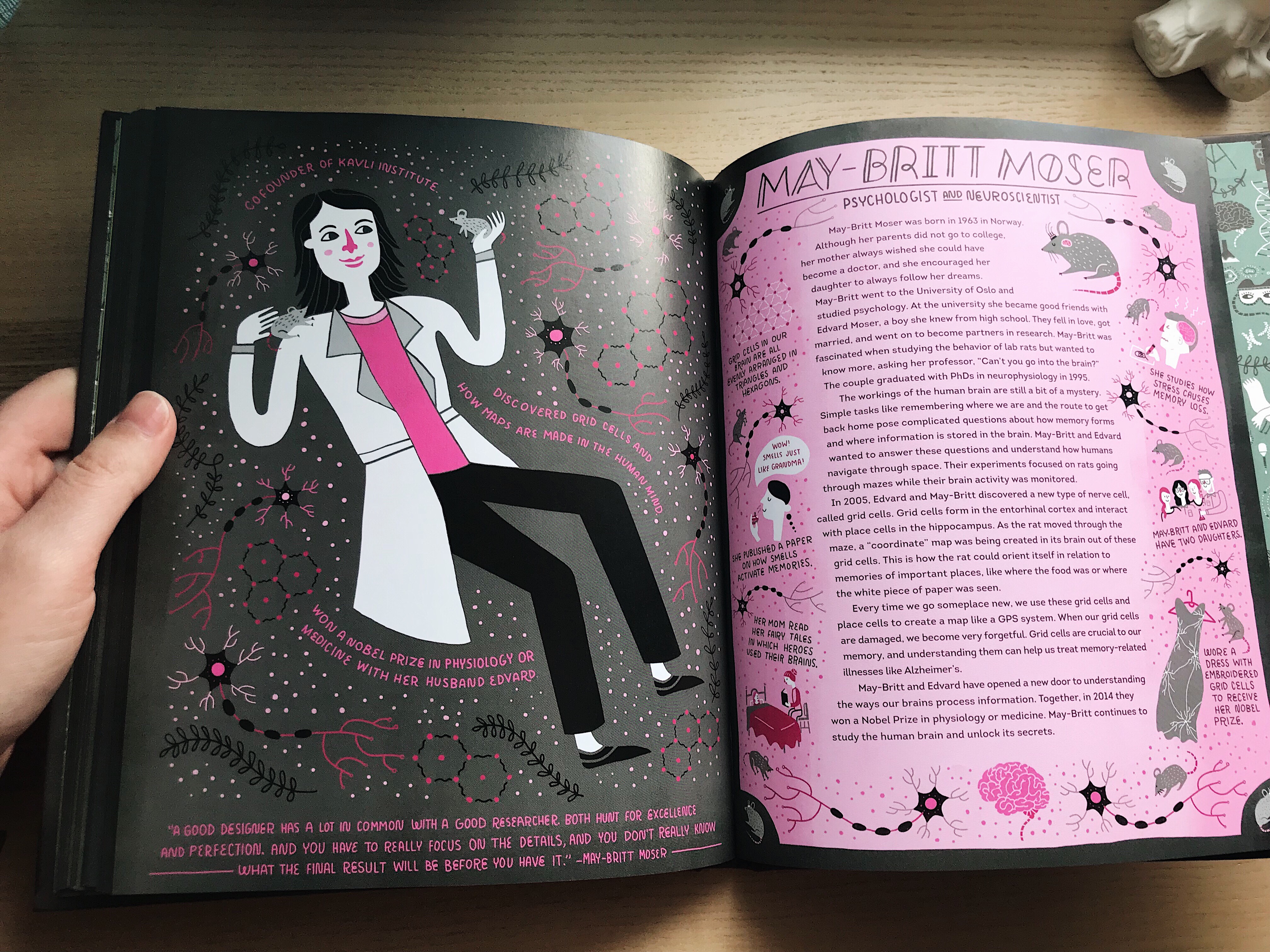
I really adore how this book shows scientists in different styles, ages and personalities.

The Wicked King by Holly Black | Spoilery Book Review

The folk of the air #2, the sequel to The Cruel Prince

Pages: 340

Genre: young adult fantasy

Synopsis

You must be strong enough to strike and strike and strike again without tiring. The first lesson is to make yourself strong.

After the jaw-dropping revelation that Oak is the heir to Faerie, Jude must keep her younger brother safe. To do so, she has bound the wicked king, Cardan, to her, and made herself the power behind the throne. Navigating the constantly shifting political alliances of Faerie would be difficult enough if Cardan were easy to control. But he does everything in his power to humiliate and undermine her even as his fascination with her remains undiminished.

When it becomes all too clear that someone close to Jude means to betray her, threatening her own life and the lives of everyone she loves, Jude must uncover the traitor and fight her own complicated feelings for Cardan to maintain control as a mortal in a Faerie world.

My thoughts

Rating out of five: three

Usually I try to keep reviews with minimal important spoilers for plot points. This review is filled with spoilers, because it’s a sequel and I find it nearly impossible to discuss it without them. Here’s your warning.

I didn’t like this book as much as I thought I would. On one side I really like Jude as a character, but she didn’t feel consistent through the book. The plot also felt a bit too straight-forward compared to the first book. The worst offender is the world-building, which feels more like a sliver of “A court of thorns and roses” by Sarah J. Mavas, without the awesomeness that is politics of separate courts and Velaris, than actually made by Holly Black, at this point.

The romance. It’s there through the whole book, constantly being teased, the chemistry is there, but definitely with some weird power and trust dynamic that Jude and Cardan had to figure out. I really like the enemies to lovers storyline in general. In this book I felt it at points were too much spelled out, instead of like convincing me they were attracted to each other. The he hates you and so he loves you more for it felt too artificial.

The ending. From reading other reviews, I think this is what seals the deal for those who really like this book. I saw the ending coming too early. I didn’t see every twist of it, like the Ghost, which was nice. This might be because of my view of the romance all along and how I really didn’t trust the character that is Cardan would to give up an ounce of power willingly. The moment Jude gave up her control of him, I threw my hands up in the air in defeat. So I definitely had interest in which way it would go, if she would go in the trap. The someone you trust have already betrayed you was too much of a hint as well.

The characters. I love characters, especially protagonists, that aren’t just good. It was what made me love the first book. I felt Jude was inconsistent in this sequel, because the sides of her that the plot needs are what is played up in each scene. Like the girl is suddenly a master tactic, then her self-esteem is low, then she needs to be something else for the chemistry to Cardan to work, then she needs to order him around and at the same time feel low and human enough that she would stay and get ridiculed. A character can of course change roles, but it got to be a problem for me. Again it comes down to authors like Sarah J. Maas who has done this “elf pretend they’re evil” thing so much better already. There were opportunities I wish the book would’ve taken instead, roads it went down in the first book, like exploring struggles related to Jude going darker and not wanting to give up power, instead of her talking scared to herself about it. It just further shows the different view she has of herself and the master-mind position the others are constanly giving her in a way that doesn’t make sense.

I really did like one thing in particular – Jude having second thoughts about Oak and just the dilemma of shielding a child. Wondering if that makes the child more likely to grow up less empathic or not understanding consequences. Or like Jude puts it: “Now growing used to sugary cereal and a life without treachery.”

In general it seemed like this book lacked smooth transitions through plot points and could’ve had more well-rounded characters and world with more editing and thought put into it. Especially if like more place was given to exploring moral dilemmas, or going down the road of Jude thinking in accordance with her more ruthless actions, turning a bit darker for those she loved or to protect Oak. I feel like Holly Black usually has a high quality when it comes to characters and world-building, so when I wasn’t quite feeling the plot, these things started to annoy me.

My feelings reading this book: it was entertaining, but also annoying at points, could’ve been done better

Would recommend it if you liked “The cruel prince”, but be aware that it might not do the same things for you and go into it with lower expectations.

Short reviews: short fantasy story & more poetry

Anyone surprised? I love doing short reviews on poetry. Here’s the other short reviews.

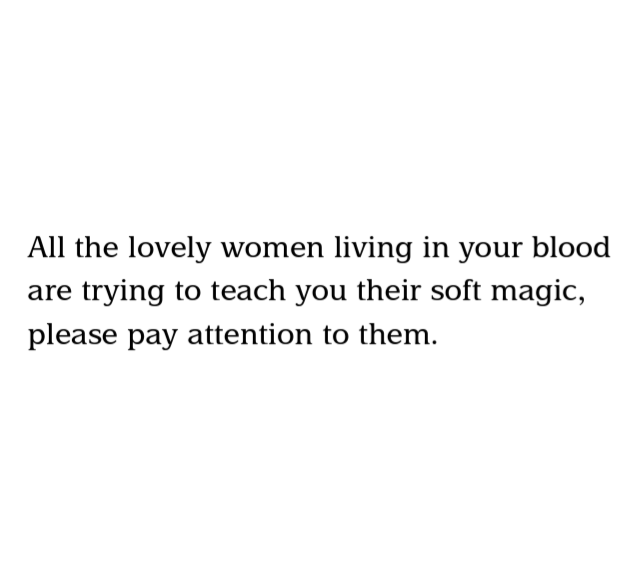
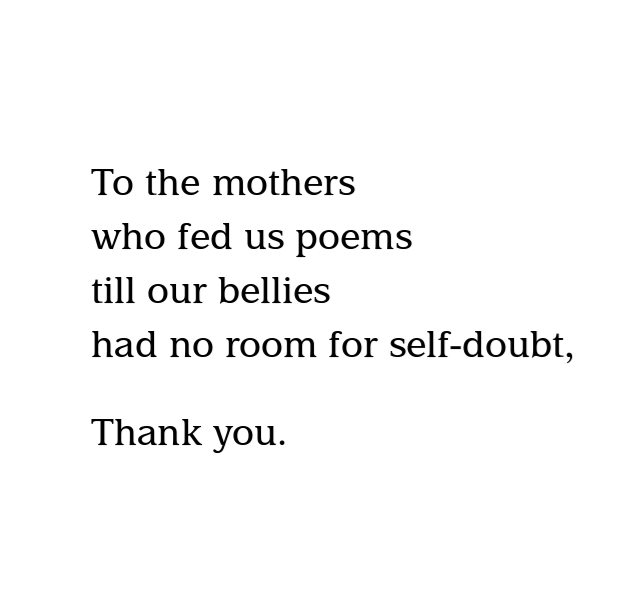
soft magic. by Upile Chisala: The beginning of this poetry collection had me worried, but it got better. The style is very minimalistic, instagram-poetry as I’ve heard it described as. It is about being black, family, love, it’s meant to empower. It’s not that I don’t like this style, it is just harder to convey powerful pictures with so few words and make it somewhat unique. I don’t think this collection quite manages it. The message is definitely great, and I think those who pick it up and is looking for that empowerment will like it just as “milk and honey” has been loved. It’s an easy read, good to get people into poetry, but I found it lacking.

2/5 stars. I received a copy of this book through NetGalley in exchange for an honest review, thank you. Goodreads.

The one’s who walk away from Omelas: I found this with a recommendation of stunning writing and story-telling. It’s only about 30 pages. Started out with beautiful, descriptive writing about a happy city and then it took a turn. Ursula gives such a simple, as in few elements, of a moral dilemma. It took some time before it dawned for me the extent of it. And it showed so much through the people’s reactions to it, in just 30 pages. Everyone should read it, especially if you want to tell good stories.

5/5 stars. Goodreads.

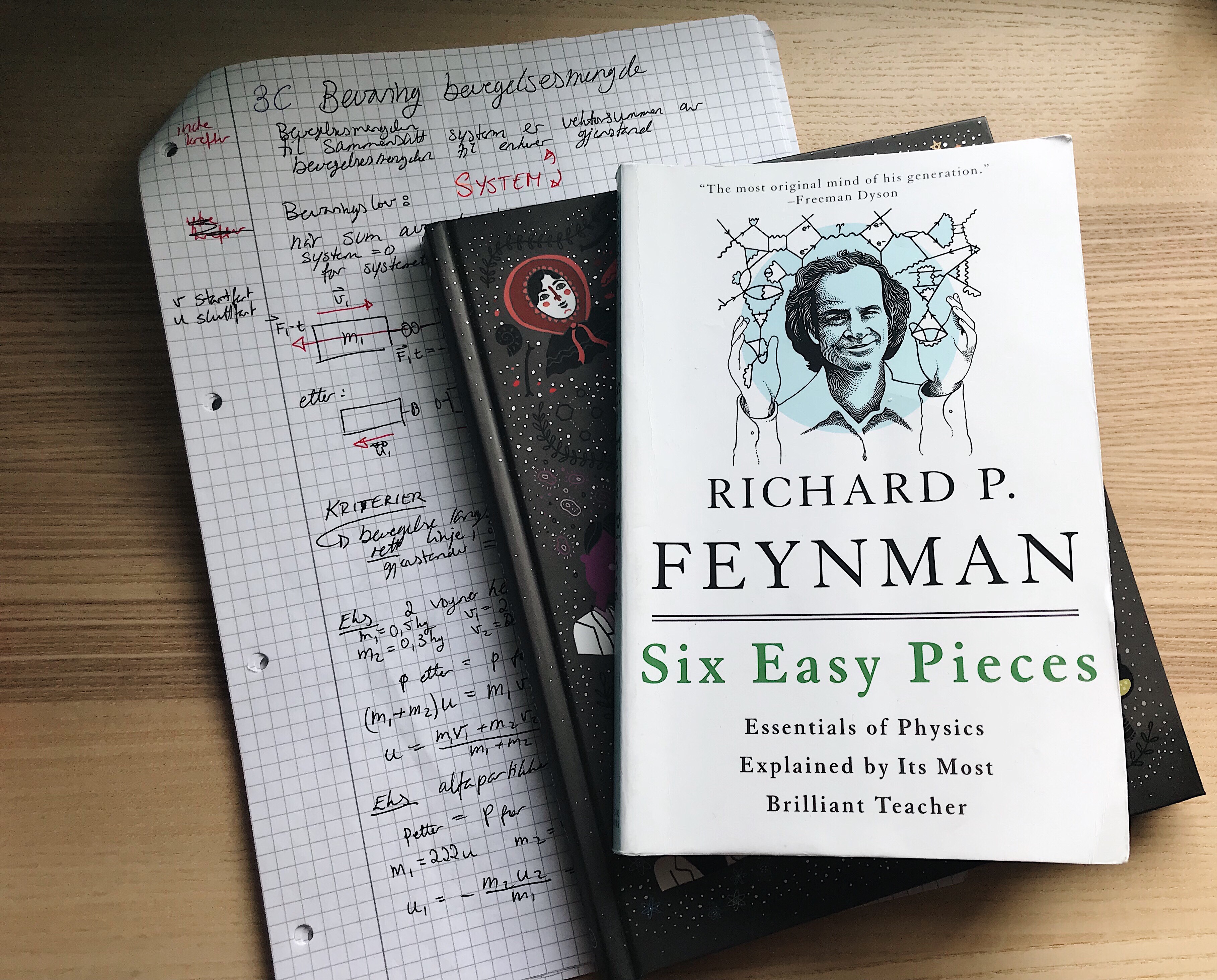
Six Easy Pieces by Richard Feynman | Book Review

Genre: physics, nonfiction

Pages: 140

About the book

Richard Feynman is a well-known physicist, he was awarded the Nobel Prize of physics in 1965 for his developments to the quantum field theory. This book isn’t lying when it claims he’s one of the most brilliant physics teachers as well, particularly well-known for this introduction series of lectures from Caltech university in 1964, that this book is based on.

My thoughts

Rating out of five: four

My background going into this book: one and a half year into physics classes. I read this book a while ago and just now decided to post the review, the day after I sent my application for a physics bachelor at university!

The only reason this isn’t getting five stars are that the lectures are older. This book was first released in 1994, it’s an abbreviated form of the 1964 Feynman Lectures, which has been edited later. I just feel as an introduction this should have more side-notes on later development (just a couple words) and where to find more information on them, because it’s meant as an introduction.

The way Feynman talks about physics de-mystifies it, and makes it accessible. As someone who is going into physics, I’ve already learnt to love formulas. They say so much in so few sentences! It’s like abreviations, but you got to have an understanding of what they mean. Feynman is so aware of this, and instead put physics concepts into words, very elegantly. I really do get why he’s so looked up to. He’s up there with Stephen Hawking, in the quality of his writing. I’ve read parts of Einstein’s biography, and while he was a incredible scientist, his lectures were known from the beginning for jumping straight to the top-level difficult problems, leaving most of his students behind. I think Feynman explains really well concepts of physics, that we look at the universe and create certain rules or theories through observations and experiments that explain what we see. But also gets into more specifics, where my favourite parts were comparing physics to other science fields, the history of finding particles that everything in the world is made of, about the strangeness of fluid physics (especially turbulent fluids, Smarter Every Day made a great video about it that I’ll link to down below) and conservation of energy as a great intro to the concept of energy that everyone hears so much about, but usually don’t understand.

What I felt reading this book: not so weird for loving physics, and that more people would if this was the type of intro they got

A great bit of info on the questions around laminar and turbulent flow (fluid physics) with some nice fontains)

Girl Mans Up by M-E Girard | Audiobook Review

Pages: 400

Time audiobook: 9 hours

Genre: young adult, lgbt

Synopsis

All Pen wants is to be the kind of girl she’s always been. So why does everyone have a problem with it? They think the way she looks and acts means she’s trying to be a boy—that she should quit trying to be something she’s not. If she dresses like a girl, and does what her folks want, it will show respect. If she takes orders and does what her friend Colby wants, it will show her loyalty. But respect and loyalty, Pen discovers, are empty words. Old-world parents, disintegrating friendships, and strong feelings for other girls drive Pen to see the truth–that in order to be who she truly wants to be, she’ll have to man up.

Audiobook review

The narrator is really good, during the dramatic scenes especially. Personally I would’ve chosen the physical book because I thought the writing of the plot dragged on and 30% in I was already listening on 1.5x speed to get through it. But I can recommend the audiobook to anyone who prefers that.

My thoughts

Rating out of five: three

The concept and plot is really important and good, it’s about the main character Penn’s struggle about gender and having to respond to a lot of unwelcome questions and harassment about it. Among friends, classmates, teachers and parents who insists that she should act and look more like a girl. Penn is a butch lesbian and the parts where she’s figuring out her attraction to girls and going into her first relationship are so cute. It very well balanced.

My problem with the book is the writing. This book doesn’t need to be 9 hours or 400 pages long. So many details are included, in the style of me walking into a room and describing what I see, instead of focusing on a couple things that give characteristics and letting the picture paint itself for the reader. The book is marketed as young adult, but it feels like it’s for a younger audience. The main character feels younger than 16 as well, the age isn’t mentioned before much later in the book. The conflicts show themselves to be much darker than first thought, but that disconnect between how Penn talks about her challenges in the beginning and the end was really confusing. She goes from talking about conflicts more suited among 13 year olds, to serious harassment. I get that it’s young adult for the darker parts and family conflicts, but then I think the author should’ve made Penn and the friend-group feel more grown up. It still has a lot of good examples and talks about loyalty, friendship, gender and the struggles of not being accepted by family.

I’ve seen readers complain on the “girl mans up” theme and actually complain about how horrific people are acting and bullying each other. That’s the only wrong opinion you can have about this book, as the book brings up bad to horrifying examples of friendships and manipulation and how the characters try to keep each other down. The conversations around that are the excellent parts of this book!

What I felt reading this book: really felt for Penn even though she continued to make wrong choices (she’s got heart though) and anger at everyone who has to deal with this bullying and constant harassment if they don’t clearly fit into “acceptable” gender or sexuality. and how bad unaccepting families make everything.

Short reviews: sci-fi & poetry

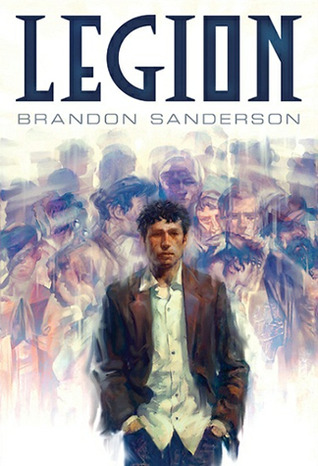
Legion #1 by Brandon Sanderson:

This short sci-fi mystery novella is about a guy who has multiple sidekicks in form of hallucinations, who give him specialization in skills like language, fighting or computers. With Sanderson’s funny dialogues, and an imaginative plot with a camera that can take pictures of the past, it comes together into one perfectly entertaining story.

5/5 stars and I’m excited to read the rest of the trilogy. I received a copy through NetGallet in exchange for an honest review.

The Year of the Femme by Cassie Donish:

I appreciated the themes of femininity and body, but the writing style was messy and disconnected in a way that worked against understanding the message. Also as Donish talks about gender she admits to using “a lot of generalizations”, which she says is not wholly untrue, but come from resentment and socialization. I feel if you want to write a book dissecting gender, do it completely and tear down why and how it hurts people. This feels more like snarky parody with a girl needing a dog because now she’s single and has no one to protect her. Maybe I didn’t get what this storytellers view of women are miserable and happy was supposed to be, but it was boring to read about and added little new. I received a copy through NetGalley in exchange for a honest reivew.

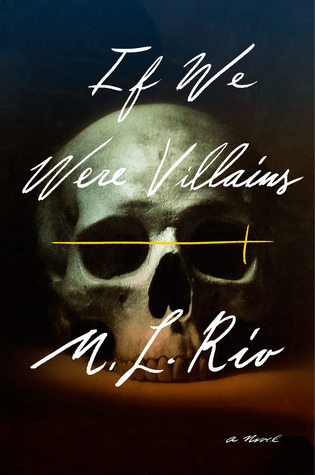
If We Were Villains by M. L. Rio

Pages: 370

Genre: contemporary mystery, set in a college

Synopsis

On the day Oliver Marks is released from jail, the man who put him there is waiting at the door. Detective Colborne wants to know the truth, and after ten years, Oliver is finally ready to tell it.

Ten years ago: Oliver is one of seven young Shakespearean actors at Dellecher Classical Conservatory, a place of keen ambition and fierce competition. In this secluded world of firelight and leather-bound books, Oliver and his friends play the same roles onstage and off: hero, villain, tyrant, temptress, ingénue, extra. But in their fourth and final year, the balance of power begins to shift, good-natured rivalries turn ugly, and on opening night real violence invades the students’ world of make believe. In the morning, the fourth-years find themselves facing their very own tragedy, and their greatest acting challenge yet: convincing the police, each other, and themselves that they are innocent. 

Audiobook review

The narrator is good, except for how he’s trying to do the female voices. Every heard one narrator dub tv series? It’s hilariously bad. Also there’s a lot of characters in the friend-group to meet all at once at the beginning, so I actually picked up the text version the second chapter and went back to really understand who each of them is, because there’s no good separator in the audiobook (except for bad female voices). I would recommend physically reading this one, I was packing for a trip and wanted to get throught it.

My thoughts

Rating out of five: three

I picked this book up because of its college/university setting and saw it recommended for those who liked “The secret history” by Donna Tartt. That book is much better than this one, in a lot of ways. They both do have a “dark academia” vibe – which I recently learned was a thing and I love it. I wanted to give it an extra star for that alone, but then I saw that ending and thought hell no, I was bored through too many parts of this book.

I’m happy I read the book, because it had its entertaining points as the characters uncover dark things about the others and themselves. It’s very centered on the characters and who’s friends and enemies as they all attend the same class. So it’s dark and dramatic, which also comes through in the greek plays they perform. The theater parts were very nice details, going through the whole book and giving it more texture and depth. You can see how the characters are pushed to excell and that they know that themselves, before they start to unravel from guilt. Still, I didn’t feel the characters was given enough space to show how supposedly three-dimensional they was. Instead the author seemed to make them do things out of character, playing on “well, you don’t know when they’re acting or not” which sure is an explanation, but doesn’t help on feeling that connection for the reader.

I both loved and hated the writing at points. On one hand it has some really pretty lines, like “Dense forest surrounded it on all sides except one, the north shore, where the trees were thinner and a strip of sandy white beach shimmered like diamond dust in the moonlight.” On the other hand, so much annoyed me. Mostly the author’s choices, like the ending or having Richard be described as a person everyone hated, which then made us miss out on later feeling sorry for him. The characters in this book doesn’t feel like villains because there were no sense of feeling sorry for Richard, because his character was so violent. The bolder choice would’ve been to make him sympathic. I just felt like a lot of depth was missing, there were hilariously little moral dilemmas for the reader watching this play out. I get that it’s part thriller and part mystery, but as I didn’t think who killed him was such a big mystery, a more cohesive and focused history or plot would’ve been better.

What I felt reading this book: mostly entertained and intrigued, annoyed at writing choices. And I was laughing at myself for chosing to read this hours before a weekend of partying with classmates. It was a nice weeked, but I did think of this book as we were driving into the snow-filled forest.

It’s All Too Much by Peter Walsh

An easy plan for living a richer life with less stuff

Pages: 230

Genre: organizing

Synopsis

When you think of what it will take to clean your house, are you so overwhelmed you throw up your hands and cry “It’s all too much”? Do you dream of having a closet where your clothes aren’t crammed in so tightly that you can actually get to them? Is your basement filled with boxes of precious family mementos you haven’t opened in ten years but are too afraid to toss? Are your kitchen counters overrun with appliances you’ve never used? Do your kids play in the living room because there’s no room left in their playroom? If somewhere along the way you’ve simply lost the ability to keep your home organized and clutter-free, then It’s All Too Much has the solution you’ve been searching for.

My thoughts

Rating out of five: three

I heard somewhere that this book was the more practical over “spiritual” approach to organizing in comparison to the popular tidying and organizing book by Marie Kondo. That sounded like what I needed, but I think I’ll pick up her book too, to see if there is more advice.

Because this book had some good tips, the problem is that it’s not 230 PAGES of it. It got quite boring, saying the same thing over and over. Also personally, considering I don’t have a family to take care of, what I needed from this book could’ve been summed up in an article.

So if you’re a single young person, without a household and family to consider, here’s probably all you need from this book:

  • Imagine the life you want, physically and emotionally, and consider if the items you own contribute to that future?
  • How do you feel and compare it to how you want to feel when entering your home. What function do you want each room to have? Organize from that perspective
  • “Ask yourself these questions as you encounter each piece of clutter: Do I use this? How long has it been since I’ve used it? Will I use it again? Is it worth the space it takes up in my house?
  • If you’re tempted to keep something because it’s expensive, remind yourself of the difference of value and cost – how much space and energy does it take up and is it worth it?
  • When trying to encourage another person to organize, change the questions to about their feeling attached to the object. Like “Why is this important to you? What does this item remind you of? What do you feel after spending time in this room?”

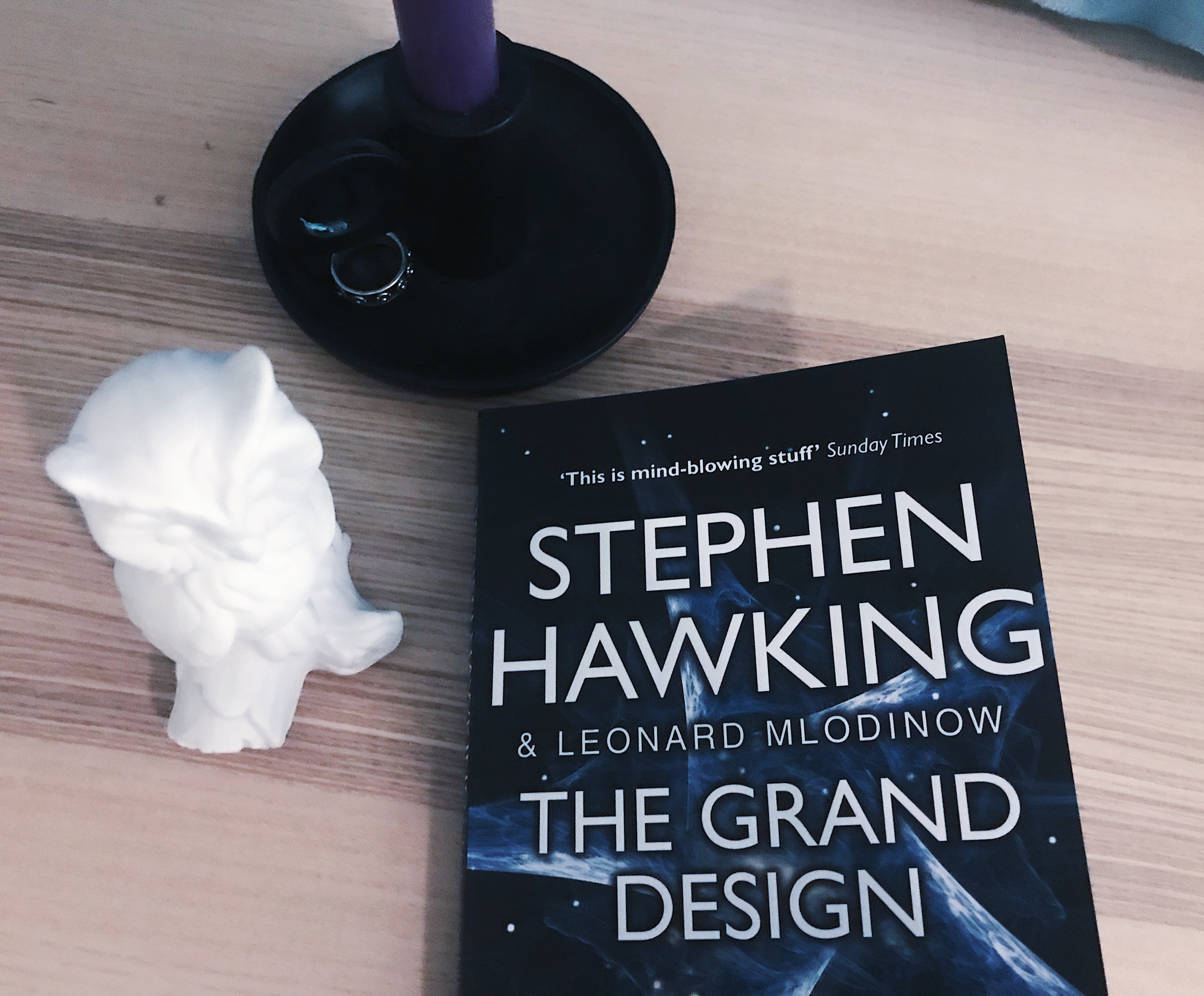
The Grand Design by Stephen Hawking | Review

Pages: 200

Genre: science – physics

Synopsis

A beautifully written book about our universe and how and why it was designed. It’s written for people of many different levels of knowledge of physics already, from short and clear explanations of atoms to mentioning a few things I personally need and want to look more into like string theory, bosons, where plancks constant comes from and Feynmans sum over histories. This is a book trying to give philisophical answers based on scientific history and theories. As the book says itself:

Why is there something rather than nothing?

Why do we exist?

Why this particular set of laws and not some other?”

My thoughts

Rating out of five: five

I’ve honestly never read a full Stephen Hawking book, even though I take physics classes and am very interested in it. I was personally really surprised at how much I understood, that I’ve gone through in classes before and this book looked more at the “why” behind it, the connection that I so much love. This is the book you need to read if you’re interested in the how and why’s of the universe, no matter what level of understanding you’re at now! 

This book absolutely made me reflect on the nature of the universe, even though I already have some experience there. It also made me so very excited about learning more, and what we could find out in the future, with newer technology. Multi-verse and possibly no objective reality existing are examples of rabbit-holes of information and theories I love to fall into, so this book was ideal.

Favourite quotes

“While concending that human behaviour is indeed determined by the laws of nature, it also seems reasonable to conclude that the outcome is determined in such a complicated way and with so many variables as to make impossible in practice to predict.”

“[…] philosopher David Hume who wrote that although we have no rational grounds for believing in an objective reality, we also have no choice but to act as if it is true.”

“Such calculations show that a change of as little as 0.5 percent in the strength of the strong nuclear force, or 4 percent in the electric force, would destroy either nearly all carbon or all oxygen in every star, and hence the possibility of life as we know it. Change those rules of our universe just a bit, and the conditions for our existence disappear!”

“If the [M-] theory is confirmed by observation, it will be the successful conclusion of a search going back more than 3.000 years. We will have found the grand design.”

Lord of the Butterflies by Andrea Gibson | Review

Pages: 96

Genre: poetry, lgbt

Synopsis

In Andrea Gibson’s latest collection, they continue their artful and nuanced looks at gender, romance, loss, and family. Each emotion here is deft and delicate, resting inside of imagery heavy enough to sink the heart, while giving the body wings to soar.

My thoughts

Rating out of five: five

Be prepared to cry, I was definitely not and it took reading three poems for my eyes to start leaking, until I was a sobbing mess. This is what I want poetry to be, I was thinking over and over. I’d just put down another poetry collection that had important themes, but nothing new to convey, even through tough circumstances. Andrea Gibson is the opposite of that, they write poetry so filled with emotion that you can touch it, feel it around yourself.

It’s just such a strange mix of sweet, with stories of queer love, of incredibly traumatic events, with stories of being suicidal or loss, of hoplessness and hope as well. All the stories they had to tell got to me, especially of physical illness as it’s the one I’m most familiar with. One of personal goals this year is to find a better way to describe physical pain, which this did so incredibly well, along with emotional one. The stories are told in such a detailed and personal way, but at the same time putting words to more common emotions and situations brilliantly.

All my love to this poetry collection, I’ve definitely found a poet that will become one of my favourite. I’ll make sure to see it performed as spoken word pieces when I’m having a stable, good day because it took me thirty seconds out of five minutes to completely break down sobbing.

I received a copy through NetGalley in exchange for an honest review.

Favourite quotes

“You’re in the 7th grade. You don’t even know you want a girlfriend. You still believe in the people who believe in Jesus, can’t even feel that desire through it’s hell threat.”

– YOUR LIFE by Andrea Gibson

[…] but secretly my favourite season is flu season. The season of proof that I’m tough as Christ forgiving the nails. The season everyone I love becomes a raging customer at the complaint counter of life, like their birth certificate were warranties, their bodies promised technology guaranteeing protection from all viruses. They break down, Nyquil drunk and say, I haven’t been able to exercise in three days. The last time I got the flu it took me three days to notice. I thought the pain was just the pain. […] Good god, there isn’t a healthy body in the world that is stronger than a sick person’s spirit. Thirty times last month I thought, I can’t do this another day. Thirty times last month I did it another day.”

– GENDER IS THE KEY OF LYME DISEASE by Andrea Gibson

“During the visit, my niece only broke once, and only when the guard rattled his keys and rushed her to finish hugging her mother, the nightstick of his voice cracking over their bleeding goodbye. I restrained my fist in my pocket but wanted to knock him back to his own mother’s arms, where he might grow into a man without a uniform over his chest.”

– BLACK AND WHITE ANGEL by Andrea Gibson

RESENTMENT (VERB)

1. Loading the past into a cannon and murder this year.

Also the poems IVY (with great last lines), PHOTOSHOPPING MY SISTER’S MUGSHOT, ORLANDO, HURT THE FLY, ALL THE GOOD IN YOU, GIVE HER (so damn sweet), UNTIL WE ACT, LIVING PROOF.