Ship of Smoke and Steel by Django Wexler | Book Review

Pages: 352

Genre: young adult fantasy, lgbt; bi morally-gray protagonist, f/f relationships, a lot of queer characters, pirates
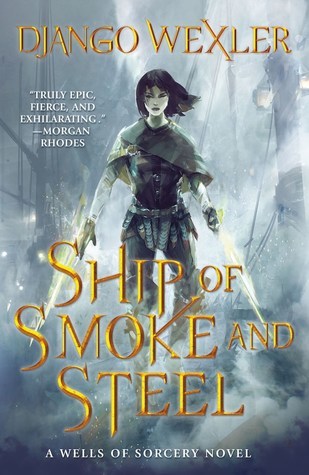
Synopsis

In the lower wards of Kahnzoka, the great port city of the Blessed Empire, eighteen-year-old ward boss Isoka comes to collect when there’s money owing. When her ability to access the Well of Combat is discovered by the Empire—an ability she should have declared and placed at His Imperial Majesty’s service—she’s sent on an impossible mission: steal Soliton, a legendary ghost ship—a ship from which no one has ever returned. If she fails, her sister’s life is forfeit. 

My thoughts

Rating out of five: two stars

I read the book “Ship of Smoke and Steel” by Django Wexler right after this one and I would very much recommend it if you’ve already read & liked this book, because it’s pretty similar in the style of the protagonist’s voice, but I also found them both lacking in the same areas.

The world-building isn’t great, but it truly is interesting as it is pretty much powered by magic, and you get to slowly learn the mechanisms behind the ship and the world as the plot unfolds. It’s obvious the author has experience writing fantasy books and I think it’s more of a choice considering the YA targeting. There is also the constant questioning of which characters to trust and not, while none of them ever claim to truly be ‘the good ones’, there’s just different degrees of selfishness among them. The whole crew of the ship were tributes with magical abilities trapped there forever, meaning Isoka is no longer that special, but at the same time she does seem to have abilities to do things the other never could, so it does feel like there’s some short-cuts taken there.

I don’t care about everyone. Maybe that makes me a monster, but I’ve always known that. o save Tori, to save Meroe, to save my own skin, I’d kill every crew on the ship if I had to. But— There’s more to saving Meroe than just keeping her alive. If I take her with me, and we live when everyone else dies, then she’d never forgive herself. The goodness in her, the part that makes her care, might be snuffed out forever. Then she’d be a monster, too. And I can’t accept that.

– Isoka in Ship of Smoke and Steel

There’s certainly some heart-warming elements to the book as well, they even highlight some of the unreliable narration as there’s a split between how she views herself and her actions; like how Isoka claims that she cares about little other than her sister, but at the same time she’s finding herself saving strangers and wanting other things. Meroe is also an interesting character, having skills that isn’t revealed right away and a good backstory to back them up, but for the most part they’re pretty shallow and stereotypical.

The queer parts (were kind of bad)

I could tell this book is written by a man through the writing of some characters. It’s not as bad as it sometimes can be and there was (thankfully) no explicit scenes, even if it’s obvious when people have sex. There’s a lot of queer characters, so a clap for that I guess. The f/f romance between Isoka & Meroe is nice, their gender has little to do with it in many ways though. It’s a nice touch from the start how Isoka is always thinking about what Meroe might think if she were to kill someone, in a way that social pressure becomes her conscience, not to mention a bit of jealousy.

There’s no book or plot reason Isoka is a girl really in this book at all. I’ll explain – there’s a few extra sentences put in here about both experiencing exchanging sex for favours or power of some sort (which does happen for also the male characters) and being threatened extra for being female, but overall there’s nothing characteristicly making her female. Which I would maybe even have truly liked, weren’t it for the sexist world built up around them and how it never seems to affect Isoka, which is truly weird. Isoka is afraid of certain things, like the fate of her sister, but never for herself. When she’s in a position where she has sex with a guy to get access as part of a plan, she talks herself into how she wants it in a very strange and not empowering way, to be honest.

Being female never holds her back, but the world built up around her should at least bring her to have more thoughts around it, if not feel the consequences directly. For fuck’s sake, she talks about how if she were found to be unwilling to cooperate back in the city, as someone with magical abilities, they would’ve just kidnapped her and bred her. It’s basically mentioned as a one-off comment. There’s also the fact that Isoka is all of a sudden constantly distracted by Meroe & her body, as she’s fighting for her life, in a very fanfic way that does not match her character. Fantasy worlds doesn’t inheritely have to be sexist; either naturally have it affect a female character or just don’t make a sexist world??? They’re very much not a joy to read for your female readers??? At least make a point if you are to create them. The more I think about this, the angrier I get at how it colors this book for me.

I haven’t even mentioned the “beast” of a woman that is a tyrannical leader, somehow to make the woman also evil in this book, without any reason other than pride/humiliation of course as the other leaders gets more complex ones.

For someone truly excited about queer relationships, Jack and Thora (both female) is where it already started to feel sketchy. They’re both kind of one-dimensional characters, which doesn’t help as every time they’re in the room together Jack is all over Thora, who sometimes even reads as if she’s uncomfortable. There’s the fact that Isoka deals with some internalized homophobia in the beginning, before realizing she likes girls as well, that might draw the relationship worse than it is. But it does at times contribute to the feeling that the author wanted to write a good fantasy where the YA parts and the female protagonist, as well as the queer characters, became more of a selling-point than truly a part of the story.

The plot was predictable, but interesting. I went into this book looking for a badass morally-gray protagonist and a cool fantasy world. I finished it being both a bit confused about my feelings around it, a bit excited by the action, very let down about the predictability of plot and lack of explanation about the world. But most of all with the sense that the wrong person wrote the story for all its highlighting of a kickass-female-character & queer cast.

I REPEAT: Fantasy worlds doesn’t inheritely have to be sexist; either naturally have it affect a female character or just don’t make a sexist world???

Graphic Novels: dark fairytale, dystopian & fluffy gay romance | Short Reviews

I’m having a bit of a hard time reading as I’m busy with studying (2nd year physics student) as well as ill at the moment (no worries, thankfully not corona, I’ve been tested twice). So it’s the perfect time to again read as many graphic novels that I could get my hands on! Here’s some of my other graphic novels reviews.

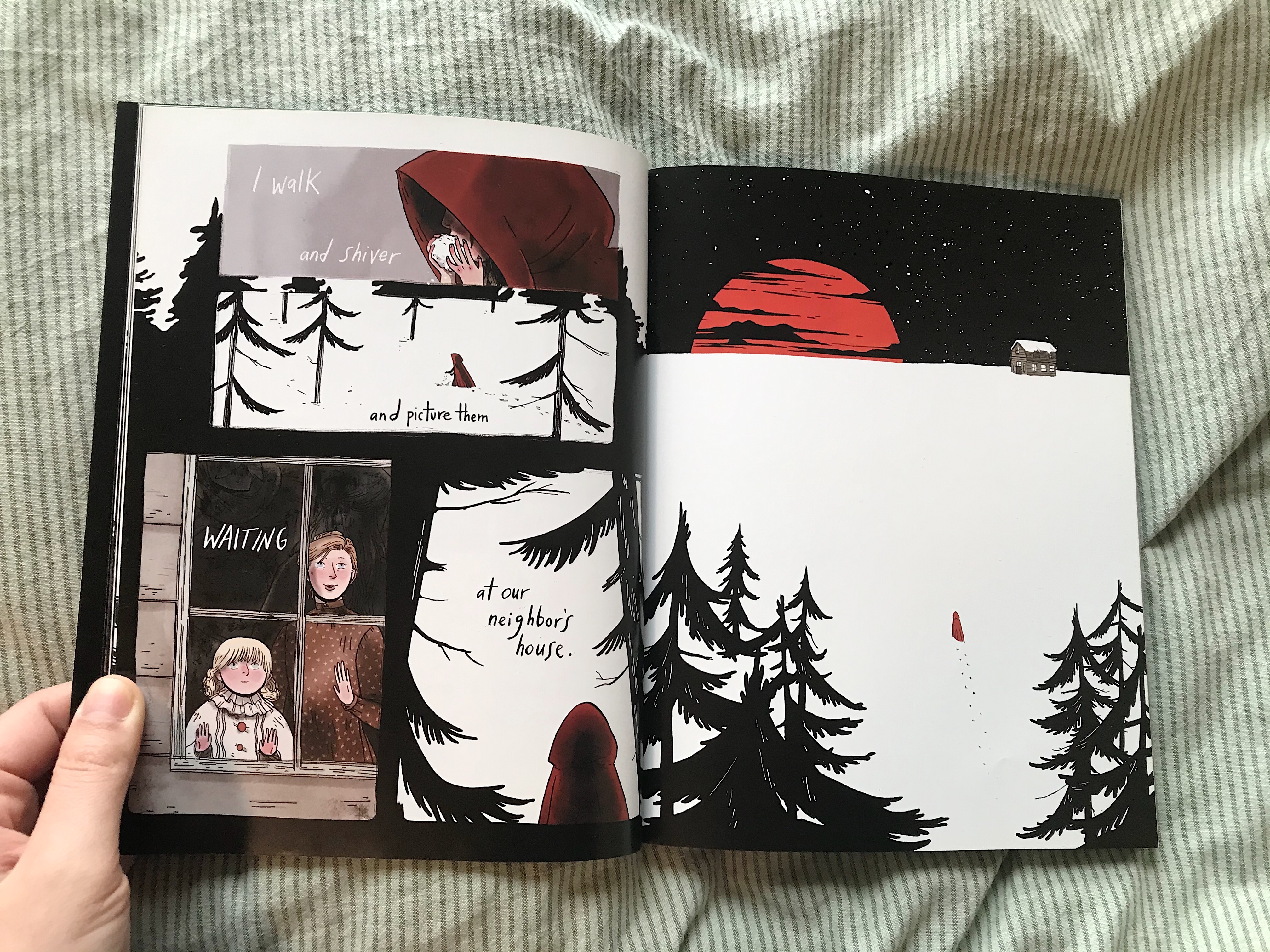
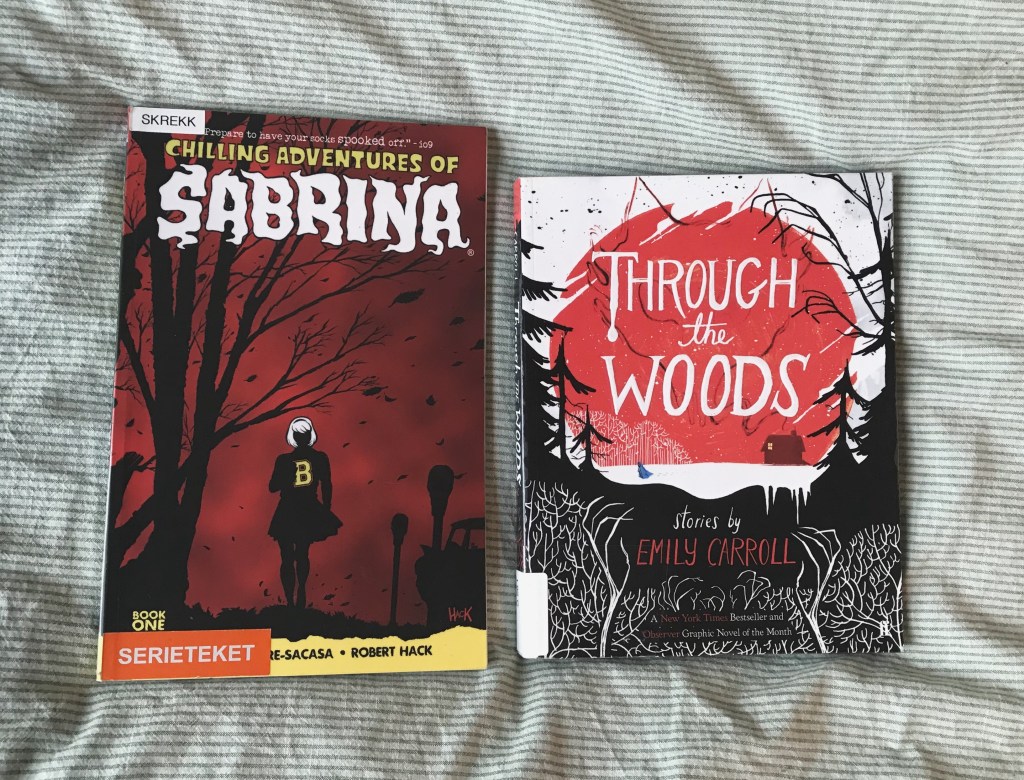
Through the Woods by Emily Carrol

As I begun reading I was sceptical because the illustrations were breath-taking from the start, giving all the dark fairytale vibes, but I didn’t know how much of a substance the plots would have. A few pages in it truly got much better, as the fairytale twists got mysterious, exciting and dark. It’s made up from several different “short stories”, some more red riding hood inspired and some that reminded me some of Coraline and some of the podcast The Magnus Archive. Reading this felt like playing a game where you know every decision is a bad one. I also immediately ordered the author’s other graphic novel «When I arrived at the castle»! 5/5 stars.

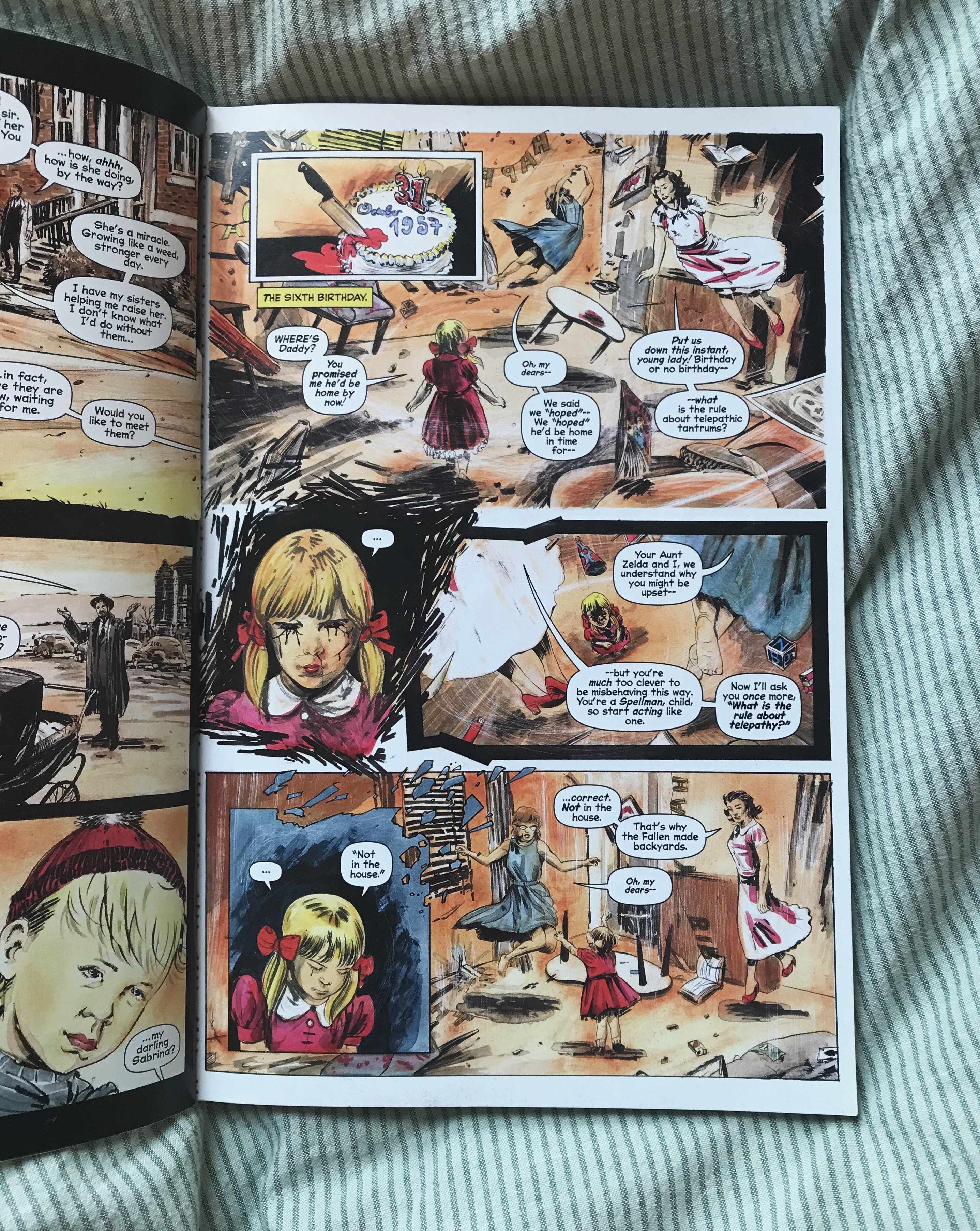
Chilling Adventures of Sabrina vol. 1

Plus points for being dark, but that’s the only positive in my eyes. I was excited for this as I truly liked the new TV series made from Sabrina the teenage witch. But this graphic novel drains any personality Sabrina is known for out of the character. I get that setting up somewhat the same plot as the TV series does in multiple episodes is difficult in one volume, but it just isn’t done with any charm at all. I won’t be reading the rest of the series as I felt it has little potential. 2/5 stars.

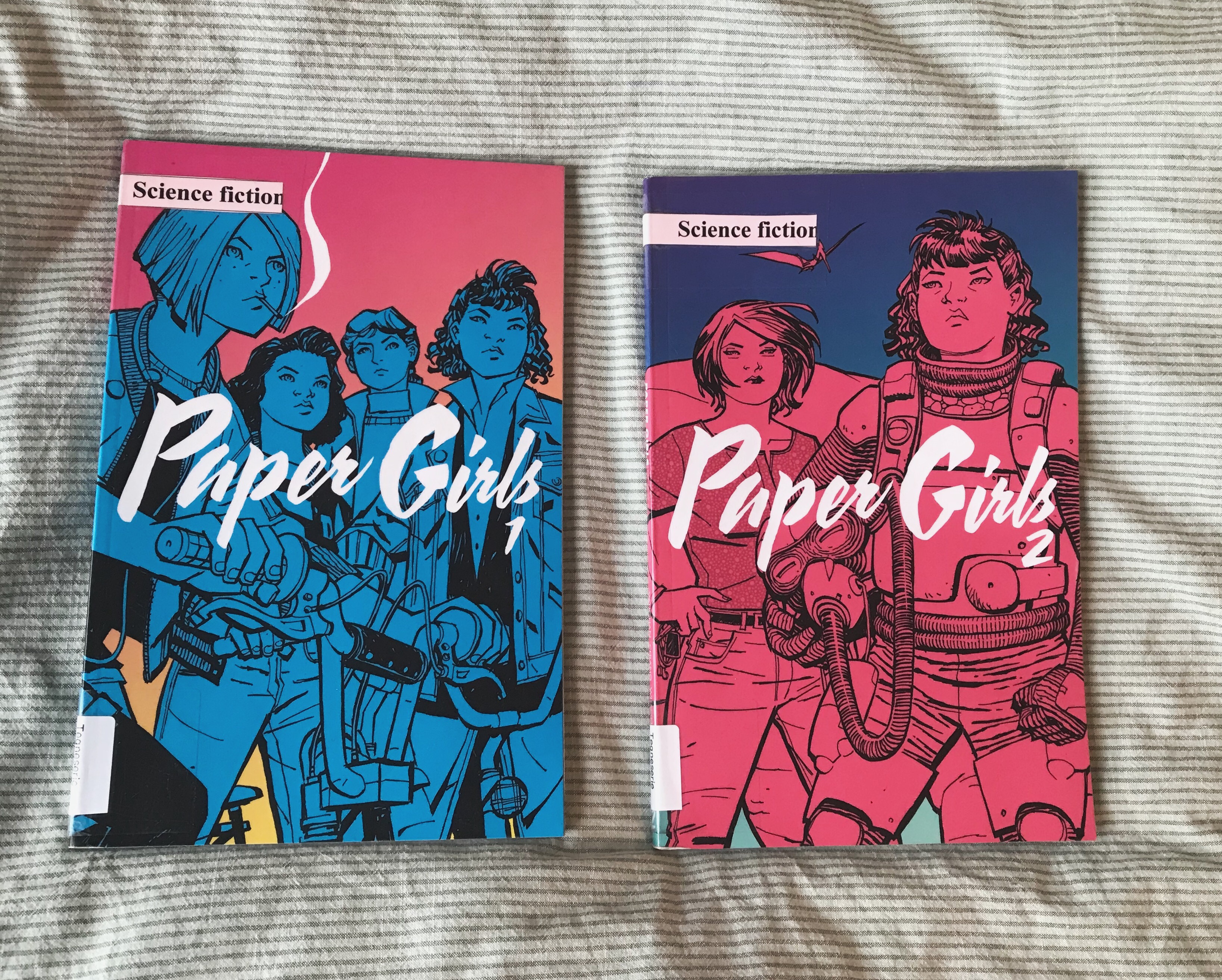
Paper Girls vol. 1 & 2

First impression of volume 1 was that I liked the retro apocalyptic stranger things vibe featuring a teen girl squad. It didn’t really get further into the plot or explanation than unexplained aliens, but it was also a lot to set up. It’s about a group of girls out delivering newspapers when they get caught up in this mystery of disappearing people and frightening strangers hunting after them. 3/5 stars.

Volume 2 had a higher chance of keeping the suspense up without as much of the confusion, which made the time-travel, sci-fi aspects much more enjoyable as well as delving into an interesting cast. Not to forget how monster tardigrades was a thing I didn’t know I needed in my life before now. I yelped out loud from surprise and happiness – I can’t explain it either. It’s just a good mix of chaos & the unexpected. Like the looming, flying ships that came into the picture suddenly. The color scheme is also truly lovely.

If I would criticize something it’s the ‘feminism’ branding push that seems a bit ‘off’, not that I’ve looked further into reasons behind it. It’s a similar feeling that lingers as from the casual homophobia that makes an appearance in volume 1, as if that was something that just belongs with the retro vibes. It was called out by other characters, so I just mentally noted it down as strange for now and makes me second-guess the future dynamic of the friendgroup somewhat. 4/5 stars.

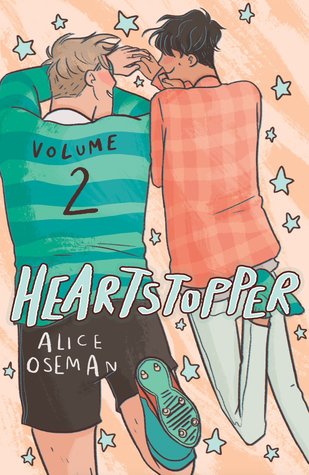
Heartstopper vol. 2 & 3 by Alice Oseman

Review of vol. 1! To sum up I really like the author’s writing in general and that it was a truly cute, important gay coming of age story. And I love the illustration style. And this is true for the second and third volume as well. My only critique is a somewhat big one; a lot doesn’t happen in each volume. It feels like the story told could’ve been cut down in some ways, but at the same time I realize it’s aimed at a younger audience for the most part and I’m so happy it just exists. 3/5 stars for both.

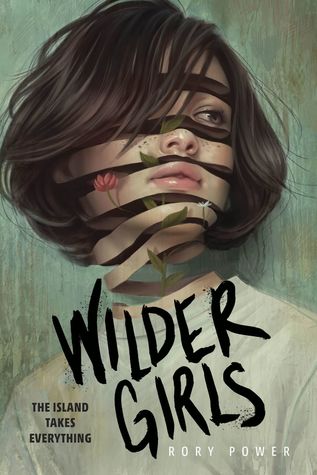
Wilder Girls by Rory Power | Review

I’ve gotten so into horror after reading this book, which I did for hours during the night as I couldn’t sleep. I was visiting my boyfriend and he absolutely thought I was a bit more strange trying to explain this book and how well it balanced between fantasy and horror in a unique way. Most of this unique feeling I think came from the perspective, it all being about and told by teen girls. Anyway, I’ll get back to that.

Pages: 357

Genre: young adult (don’t agree), horror: disease & body horror, lgbt (queer girls, slight f/f relationship, but a lot of yearning), some mystery vibes, set in a boarding school on an island. quarantined (which will be a genre i guess).

Warning: it has a lot of trigger warnings, pls search them up before reading

Synopsis

It’s been eighteen months since the Raxter School for Girls was put under quarantine. Since the Tox hit and pulled Hetty’s life out from under her.

It started slow. First the teachers died one by one. Then it began to infect the students, turning their bodies strange and foreign. Now, cut off from the rest of the world and left to fend for themselves on their island home, the girls don’t dare wander outside the school’s fence, where the Tox has made the woods wild and dangerous. They wait for the cure they were promised as the Tox seeps into everything.

But when Byatt goes missing, Hetty will do anything to find her, even if it means breaking quarantine and braving the horrors that lie beyond the fence. And when she does, Hetty learns that there’s more to their story, to their life at Raxter, than she could have ever thought true.

My thoughts

Rating out of five: five stars

here’s me arguing it’s not YA

This book has amazing cover art, but I think it did the book a diservice, along the fact that it’s branded as young adult. I feel like this is a larger conversation that I keep having, but not everything with teenage characters (especially female) is YA! It doesn’t have a great rating at goodreads (3.58) and I think it’s because people isn’t expecting what they get unless they’re like me that added this to their TBR as it was released a year ago and then now saw one book blogger (don’t remember who oops) saying it was more horror like, which got my interest again.

the friend-group & characters

SO! An all-girl high school on an island where most of the teachers die off on the beginning of the the two year quarantine, where everything starts up pretty simple and then reveals so much more complex moral, practical, society & science-related questions. It’s reveal after reveal and a constant search for who is the good & bad guys, which gives the mystery vibes. There’s a strong queer friend-group & chosen family trope, but not with likable characters. Think about it – unlikable female characters, violent at that. Most reviews I’ve read lists that as a main issue they had, but I feel like a lot of this book is the experimentation of fierce, reckless, dangerous girl characters, who also have other sides to them. Some of it can be excused to this disease they’ve all got and are dying from, the Tox, mutating their bodies in graphic, unique and eerie ways. But they’re also shaped by living in a two-year life & death situation, along with maybe not being the perfect complacent & normal main characters in the first place.

I WAS SHOCKED at having seen one girl of the friendgroup having been described by the main character Hetty in one adoring (almost worshipping) way the whole time. And then we got the other girl’s narrative and she was so different, with clear sociopathic/violent tendencies. But still it was revealed during a situation where you as a reader wanted to feel bad for her, which is when I truly cheered for this duality this book accomplished.

the island setting & writing

Every description was done so well and fit the mystery and horror aspect as the island they’re on takes as much part as any character. It makes so much sense with the quarantine aspect, the fact that one of the characters has a dad she hasn’t seen in a year living in those woods. The woods are alive and overgrown, as is the mutated animals, which is a threat. I’m just surprised by how much the author got into one book tbh. It’s also a lot of fun to read, surprisingly!

conclusion

This book has the mystery, murder, dark humor and boarding-school vibes of Maureen Johnson’s ‘Truly Devious’ mixed in with any dystopian bad-government, mutated animals, body horror you can think of, all with a good dash of forest aesthetic and eerie, descriptive writing. It’s one of my new favourite books and I would totally recommend it. Just don’t expect it to be YA or to like most of the characters.

Quote with slight spoilers:

Queer Poetry Collections | Short Reviews

I thought I’d already reviewed these poetry collections and then realized that I forgot I saved them up for pride month seeing as I ‘acidentally’ read poetry collections from only queer authors there for a while.

Night Sky with Exit Wounds by Ocean Vuong

Favourite poems: ‘Notebook Fragments’, ‘Prayer for the Newly Damned,’ ‘On Earth We’re Briefly Gorgeous’, ‘Trojan’ – nearly all of them in other words

I’d heard a lot of good things about this queer author, but I truly didn’t imagine the vividness he brought. Everything in here contains so many aspects, like when looking at violence. Vuong brings another level of honesty and delicacy to it, while not softening that violence or its consequences either. Vuong is extremely good at looking into and describing the different layers of his story; of being mixed, coming from a refugee camp in the Philippines to America, the Vietnam war and how this all plays out in the dynamics of his family and relationships. I think I’ll reread this after I finish his newer debut novel ‘On Earth We’re Briefly Gorgeous’, because it so far gives more backstory to where he’s coming from and I like it even more.

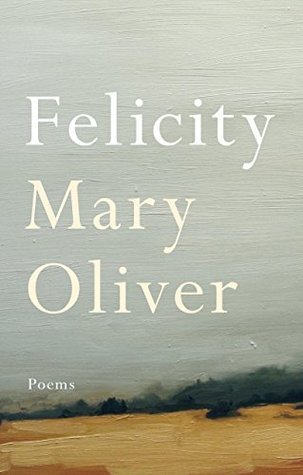
Felicity by Mary Oliver

Mary Oliver is my all time favourite poet, basically, and I wrote a whole post on it this pride month. ‘Felicity’ is one of her later works (even if it’s from 2005 so … not that recent), which I seem to prefer generally. I truly enjoyed this collection as well; it’s about love, memory, being oneself, belief and loss. It’s still a bit outside of her usual work, as love is so much a general thing to try to write about, and Oliver usually finds her excellent moments that carries the poems in the small things, inspired by nature or humans alike. Meaning it’s not the collection I would recommend someone to start with, but it’s still good and gives a better perspective on Mary Oliver as a person and her relationship to her late partner Molly Cook. In trying to describe something so universal as love, she reveals more of herself than before.

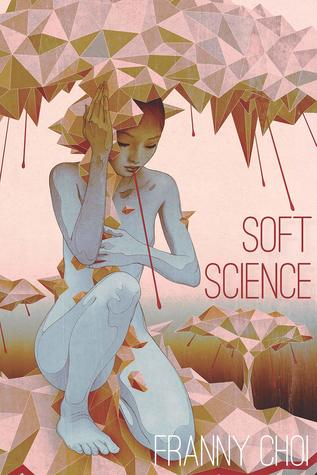
Soft Science by Franny Choi

I was so into the concept (from the synopsis) of: “explores queer, Asian American femininity” and “how to be tender and feeling and still survive a violent world filled with artificial intelligence and automation”. Unfortunately, I just didn’t understand most of the poems because of the fragmented style. The reason I make short reviews of poetry often is that, as someone who’s not a poet, reviewing poetry is strange because it feels more up to personal-taste than any novel. Still, I would shy away from not recommending a collection to someone, in hopes they get something from it.

Running with Lions by Julian Winters | Book Review #PrideLibrary20

I’m joining in on some of the #pridelibrary20 prompts, hosted by The Library Looter, Michelle Likes Things and Anniek’s Library throughout June. Here’s a link to a summary of my posts from last year.

Today’s prompt is black queer authors. Btw I missed yesterdays post with transgender or nonbinary characters, but I think I will make a post later in the summer instead, because there’s so many trans/nonbinary mc books on my TBR that I want to get to.

Synopsis

Bloomington High School Lions’ star goalie, Sebastian Hughes, should be excited about his senior year: His teammates are amazing and he’s got a coach who doesn’t ask anyone to hide their sexuality. But when his estranged childhood best friend Emir Shah shows up to summer training camp, Sebastian realizes the team’s success may end up in the hands of the one guy who hates him. Determined to reconnect with Emir for the sake of the Lions, he sets out to regain Emir’s trust. But to Sebastian’s surprise, sweaty days on the pitch, wandering the town’s streets, and bonding on the weekends sparks more than just friendship between them. 

My thoughts

Rating out of five: four stars

The bisexual guy main character, the team sport aspect (and often not very queer-friendly to put it lightly) that is soccer, but with several queer characters along with the dynamic writing and wholesome vibe – it all is brought together in this great book. Sometimes these books might get boring, but not when executed in this way. It reminds people of what could be and what should be, especially in very masculine sports.

It’s a diverse cast of characters in multiple ways, like the romantic interest Emir being a British-Pakistani muslim, but they have one thing in common besides sports and that’s being a cast of disasters. I mean, I related too much to the main character as being the disaster bisexual of the group. I think the best way to describe this book is very emotional, but with a undertone of fun? And the fun comes from the high and lows of the game, of the intensity of discovering yourself, but mostly about doing it all surrounded by friends and rivals. It’s also chasing victories and perfection and falling apart and having to pull each other back together again. And not to mention, being brave enough to tell people you love them, regardless of their gender.

Sebastian’s ready for whatever Emir’s got. He is so exhausted, trying to fix busted-up relation- ships while other friendships circle the drain. He’s tired of trying to be this amazing version of a guy that everyone else sees but Sebastian can’t find when he stares in the mirror. If Emir punches him, he’ll knock Sebastian off this damn pedestal he never asked to be on in the first place.

Julian Winter ends with these words in the acknowledgment and it backs up his intentions with this book clearly; “To every LGBTQIA+ person who has questioned their place in life: You’re strong. You’re important. You’re a lion. Let the world hear you roar.” I’m excited to read his other books “How to Be Remy Cameron” and “The Summer of Everything” (to be released this fall) as well!

Death, princesses, assassins | Short Reviews

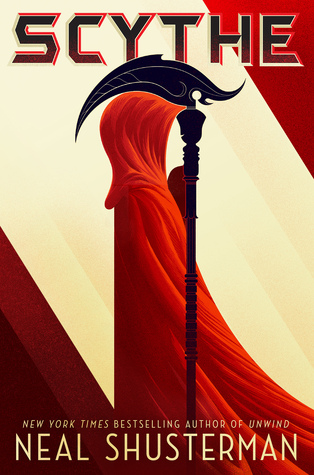
Scythe by Neal Shusterman

I really don’t see the so many impressed (4.36 average on goodsreads) reviewers side on this, because there’s an interesting premise behind this dystopian world, where Scythe’s have to choose who dies because everyone’s immortal. But it’s nothing … new? at the same time?
The ending was great and clever, I guess.
Everything up ’til that point were pretty expected, it all written with a certain coldness that fit the systematic view of death of the story, but also made it somewhat boring to read. And if you want to go philosophical – why not go deeply philosophical instead of just sometimes dropping questions on how this view of death changes this society? and then not going into any real debate?
Overall I’m not that impressed and found it quite boring, while certainly it being a well-composed book. Is this a side-effect of growing up reading Jostein Gaarder’s books? I’m truly curious about the fascination with this book.

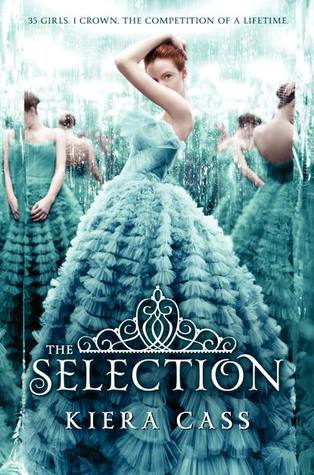
The Selection (#1-3) by Kiera Cass

This YA royal series always sounded like something I didn’t want to read, from what I heard of a whiny main character in the competition to become the new princess. But then I was in the mood for something light-hearted and gave it a try. It’s so much more cut-throat than I expected. So fast-paced, but also well written and more and more feminist as it progresses, with the girls finally bonding together. I truly enjoyed seeing this actual reality TV series, much the Hunger Games vibes here, with its cute dresses turn into assassins attacking regularly and then our dear red-haired main character America getting her claws into power and turning the whole thing upside down. It’s any other revolution YA series packaged nicely so that younger girls would pick it up. It’s not perfect, this somewhat luke-warm romance is a huge part of it, but I enjoyed it.

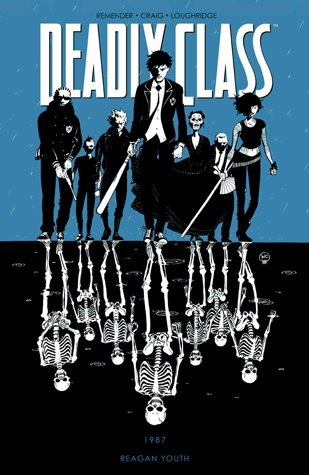
Deadly Class Comics by Rick Remender vol. 1-9

I talked briefly about the TV series adaptation of Deadly Class in this post, and how it looks like dark academia teenage series with its boarding school, found-family trope and ‘assassins training’, then turns into an epic blood bath. Well, let me tell you – this comic series is so filled with blood and horror as it gets so much worse after where the one-season TV series cuts off. Definitely search up trigger warnings before getting into it. But it’s also so awesome. My thought-process reading this was something like;

Oh shit it’s so good!!! How the fuck do you kill people in that many different ways? Is it okay to like this? AHh I quickly sped through that part, I really don’t like seeing eye-balls outside of the body. I have to stop posting on tumblr about this now, people will think I’m crazy. Ok, I like it again now. You can’t really kill of all the characters and then expect us to care about the new ones you introduce with a brief backstory now, can you? Even if they’re interesting enough, fool me once, twice – you know how it goes.

Truly it became really boring around issue six, picked up again for a while and was truly boring when I came to the latest issue nine. But all credit to the creators, it was truly amazing work. Would suggest people to read the first few issues and then try the TV series, but you’re warned.

Valkyrie Rising by Ingrid Paulson | Book Review

Pages: 352

Genre: young adult fantasy, norse mythology

Synopsis

Nothing ever happens in Norway. But at least Ellie knows what to expect when she visits her grandmother: a tranquil fishing village and long, slow summer days. And maybe she’ll finally get out from under the shadow of her way-too-perfect big brother, Graham, while she’s there.

What Ellie doesn’t anticipate is Graham’s infuriating best friend, Tuck, tagging along for the trip. Nor did she imagine boys going missing amid rumors of impossible kidnappings. Least of all does she expect something powerful and ancient to awaken in her and that strange whispers would urge Ellie to claim her place among mythological warriors. Instead of peace and quiet, there’s suddenly a lot for a girl from L.A. to handle on a summer sojourn in Norway! And when Graham vanishes, it’s up to Ellie—and the ever-sarcastic, if undeniably alluring Tuck—to uncover the truth about all the disappearances and thwart the nefarious plan behind them.

My thoughts

Rating out of five: three stars

I picked this book up because it was set in Norway (my country) and, most importantly, it dealt with norse mythology, as the Valkyrie is female creatures that choose which warriors die or live in battle.

The way I found some of the plot-structure lacking reminded me of fairytale retellings that bases themselves too much about pointing out characters the reader knows and letting what you know or don’t know about these write most of their character, instead of actually setting the feeling and motives themself. Which meant that I thought a lot of the norse mythology parts were missing in this book, strange for a book that’s supposedly all about the valkyrie. None of the gods have motives, or a personality that fit with their norse mythology stories. They don’t act the way they do in the ‘historical’ stories. Which is okay if that’s an obvious choice made in the book, but it didn’t seem to be. The main character even pointed to history when trying to learn about them. It was more about trying to fit these gods into the ‘bad guy’, ‘helper’ and ‘savior’ roles already made, which hurt my head a bit.

It’s a good coming-of-age story, but pretty basic except for the god-stuff. Falling in love with your brother’s friend is a well-used, great plotline. But trying to write something epic and a YA story in 350 pages, without using any space in the beginning to flesh out the characters, it was bound to have faults.

The ending was impressive in comparison to the rest, but overall it didn’t pull itself together enough for me. The norwegian setting parts of this book were more on-point, which I appreciated, it’s obvious the author has some familiarity.

Of Poseidon by Anna Banks | Book Review

A long time ago, when this kid just had a book tumblr, a review of Of Poseidon by Anna Banks was written. I only noticed I hadn’t posted it here because I was collecting mermaid & siren books for a new post.

The Syrena Legacy #1

Pages: 320

Genre: young adult fantasy

Rating out of five: four stars

This book was an easy-read and very likable, with interesting type of sirens. Still, this book is not like I thought it would be going into it.

What this book is not: “Of Poseidon” is not a story of a stuck-up rich boy meeting the one perfect naïve girl of his dreams and showing her his world and then, SURPRISE, he is a mermaid prince (or siren, since supposedly mermaids are too normal) and they live happily ever after.

What this book actually is: A stubborn and awkward teenage boy (Galen) working as a fish-human ambassador, which leads to him seeking out an equally stubborn girl (Emma) and showing her she is neither shy, nor entirely human. Along with his sister, princess Rayna and her kind-of fiancé Toraf, they try to help Emma figure out what kind of creatures exist in this world and what she really is. This leads to Emma hitting more faces with her fists than people hitting on each other (at least at first). Is not that new and wonderful?

The characters (are wonderful)

Emma is clumsy, a book blogger, stubborn and human (she thinks). She also got a bit of a temperament, even if she thinks of herself as sweet and shy. What’s more important is how she does not tolerate bullshit, which helps in fighting Galen’s teasing and the male dominated world the sirens seems to run. She and Rayna is a kick-ass team, even if they go out of their way to annoy each other. I think that is an important note to take from this book, how they stand together when they need to. Can never have enough girl power.

“Basically, everyone thinks–knows–how sweet I am. (Emma)
Emma, you threw my sister [Rayna] through hurricane-proof glass.” 
(Galen)

The girl-power is needed because Toraf and Galen are both idiots. Funny, sympathetic idiots, but still horrible. However, that does not stop me from liking them (I think), but the idiocy is definitely something I hope they will get over when they start acknowledging how there are another world around them.

Definitely a story that will stick with me, and I am looking forward to reading the next book of the trilogy. I love reading about sea-creatures such as the syrenas, especially in summer.

The Bell Jar by Sylvia Plath | Book Review

Genre: classics, feminism

Pages: 230

Synopsis

I was supposed to be having the time of my life.

When Esther Greenwood wins an internship on a New York fashion magazine in 1953, she is elated, believing she will finally realise her dream to become a writer. But in between the cocktail parties and piles of manuscripts, Esther’s life begins to slide out of control. She finds herself spiralling into depression and eventually a suicide attempt, as she grapples with difficult relationships and a society which refuses to take women’s aspirations seriously.


The Bell Jar
, Sylvia Plath’s only novel, was originally published in 1963 under the pseudonym Victoria Lucas. The novel is partially based on Plath’s own life and has become a modern classic. The Bell Jar has been celebrated for its darkly funny and a razor sharp portrait of 1950s society and has sold millions of copies worldwide.

My thoughts

Rating out of five: four stars

I definitely get why this is a classic. I get how important it is as a semi-authobiographical story about being a woman in 1950s New York. Especially as she deals with being hospitalized for mental illness, with depression and suicidal thoughts. It’s a fantastic insight into Sylvia’s point of view. I also get why when white feminism is brought up, Sylvia Plath readers are an often used example, as there’s quite the 1950s white college woman’s racist views and not seeing longer than her own situation in here as well.

Reading it with modern eyes, I didn’t like the first half of the story. It was quite boring, seeing her trying to fit into this New York society, or how she didn’t fit in. But I realized the importance later on, it shows how her depression took hold of her. It’s a major contrast between the person she used to be, or could become, up against who she was while institutionalized. The whole book is a fascinating look into a particular situation, especially as the main character (and Sylvia) is so perceptive.

I would recommend it, but you’ve got to continue reading until the hospitalization happens to get something out of it. I’m glad I read it at this point in my life and not earlier. It required a certain patience, maybe not for the writing which flows great, but for the point of view and voice it’s written with. There’s these debates about whether to read Sylvia Plath’s work with her life in mind always or to not, but it’s not possible for me to read this without seeing it as semi-authobiographical. u also got to remember you’re reading the work of a deeply conflicted person who is going to have a more flawed perception than the average. As someone who deals with mental issues, even then I can’t understand the complete situation Sylvia Plath was in. She’s got brilliance in describing certain things and feelings, but you also got to remember you’re reading the work of a deeply conflicted person who is going to have a more flawed perception than the average. I think I disagree more about how this book is used as a classic than anything else.

Feelings while reading this book: I did cry at points. Mental health treatment was as terrifying as I expected in the 1950s. I really hated Bobby from the moment he was introduced. Worried about how relatable a Sylvia Plath novel was to me.

Favourite moment:

“I saw my life branching out before me like the green fig tree in the story. From the tip of every branch, like a fat purple fig, a wonderful future beckoned and winked. One fig was a husband and a happy home and children, and another fig was a famous poet and another fig was a brilliant professor, and another fig was Ee Gee, the amazing editor, and another fig was Europe and Africa and South America, and another fig was Constantin and Socrates and Attila and a pack of other lovers with queer names and offbeat professions, and another fig was an Olympic lady crew champion, and beyond and above these figs were many more figs I couldn’t quite make out. I saw myself sitting in the crotch of this fig tree, starving to death, just because I couldn’t make up my mind which of the figs I would choose. I wanted each and every one of them, but choosing one meant losing all the rest, and, as I sat there, unable to decide, the figs began to wrinkle and go black, and, one by one, they plopped to the ground at my feet.”

Bipolar books; When We Collided, An Unquiet Mind | Book Review

This is basically me doing two reviews in one, with an intro.

Do you every just realize that you don’t know enough about a group of people’s situation? That’s me after bipolar disorder is a thing that has popped up with a question mark among multiple friends more recently. It makes sense; there’s a lot that will show first signs of bipolar in their early twenties, I’ve started at university where people are under a lot of stress, people are separated from their families and more open because they need support. There’s a whole list of causes.

Read a webmd page on what bipolar is on your own, I’m not going to oversimplify it and then obviously get it wrong. I think An Unquiet Mind’s description of it and constantly using manic-depressive instead makes more sense for people unfamiliar, if not for the actual researchers.

I think I knew more about bipolar than most going into this tiny project, but that’s just because the bar is low. I love this podcast especially by sickboy, called My little blue devil and I where a girl Siobhan talks very openly and with humor about her experiences living with bipolar type 2.

As someone who has other illnesses; what I think is most important to keep in mind is that if you’re reading an account of one person’s experience, that’s that one single person. It might give you better insight into what they’re dealing with, but you can’t apply that to everyone else in that category, which makes sense logically, but people seem to completely forget it when it comes to physical and mental illnesses.

When We Collided by Emery Lord

This is a contemporary young adult with a bit of romance. It has such great characters who form a big chosen family type of bond (though many are siblings so … actual family) with their different problems. The main character Vivi is new in town & has bipolar disorder and is definitely the best written of them. It brings all the summer feelings of a romance, along with all the messiness of someone not stable, but naturally so extroverted and fierce that at the beginning it’s hard to tell for those she interacts with. I’m so mad about reviews that call her a manic pixie dream girl because 1) didn’t someone write a long article about never using that description again and we all agreed and 2) she’s literally manic and you can obviously see the switch. Is there anything I’ve learned in the past couple months it’s that a symptom of manic state is that people don’t have the same risk calculation ability.

4/5 stars. I didn’t enjoy every part as I read it, but it’s stuck in my head, especially Vivi, for a month now.

An Unquiet Mind by Kay. R. Jamison

Trigger warning for suicidal and suicide attempt.

This is a memoir from someone who knows what she’s talking about, having bipolar in her family, struggling with it through her university days, eventually researching bipolar disorder and then getting the diagnosis.

I decided early in graduate school that I needed to do something about my moods. It quickly came down to a choice between seeing a psychiatrist or buying a horse. Since almost everyone I knew was seeing a psychiatrist, and since I had an absolute belief that I should be able to handle my own problems, I naturally bought a horse.

That quote sounds about right. Reminds me a lot of;

Anyway, she eventually sells the horse and gets a psychiatrist and Lithium basically saves her life, as she describes it. Along with the amazing descriptions of living with bipolar, the part where she questions her intentions and her career really got to me. She’s got to face the concept that her disorder might make her a bad psychologist, then she goes through all the reasons why that’s wrong. And the checks she has in place if she were to go suddenly into mania (though unlikely). She instead uses that drive and passion to be a better researcher on her own disorder, which was really inspiring.

But I compare myself with my former self, not with others. Not only that, I tend to compare my current self with the best I have been, which is when I have been mildly manic. When I am my present “normal” self, I am far removed from when I have been my liveliest, most productive, most intense, most outgoing and effervescent. In short, for myself, I am a hard act to follow.

They all seemed very related to one another at the time. Not only did they seem related, but they seemed together to contain some essential key to the grandiosely tizzied view of the universe that my mind was beginning to spin.

5/5 stars. It’s beautifully written, so honest and I’m honestly impressed about the courage to publish (in 1995) for someone who is very aware about the risks of having her career as a clinical psychologist questioned afterwards.