Legion Series by Bradon Sanderson | Book Review

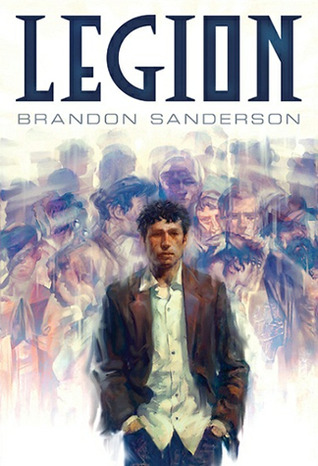
The book Legion is the first of three in a series by the same name, which has also been collected and sold as one bigger book, which is makes it a bit awkward to search for. Here is it all collected in one book.

Genre: Sci-fi

Pages: 350 in total
Synopsis

Stephen Leeds is perfectly sane. It’s his hallucinations who are mad.

A genius of unrivaled aptitude, Stephen can learn any new skill, vocation, or art in a matter of hours. However, to contain all of this, his mind creates hallucinatory people—Stephen calls them aspects—to hold and manifest the information. Wherever he goes, he is joined by a team of imaginary experts to give advice, interpretation, and explanation. He uses them to solve problems. . .for a price.

His brain is getting a little crowded and the aspects have a tendency of taking on lives of their own. When a company hires him to recover stolen property—a camera that can allegedly take pictures of the past—Stephen finds himself in an adventure crossing oceans and fighting terrorists. What he discovers may upend the foundation of three major world religions—and, perhaps, give him a vital clue into the true nature of his aspects.

My thoughts

Rating out of five: Book One – 5 stars. Book Two – 4 stars. Book Three – 2 stars.

Brandon Sanderson is one of my favourite authors, which is what made me pick up this series. It started out with a great concept, a genius who has split himself into aspects, creating side-kicks with specialization in different skills, different personalities and made up backstories. For example can there be one expert in language, fighting, deciphering code or computers. With Sanderson funny dialogues, and an imaginative plot with a camera that can take pictures of the past, the first book comes together into one perfectly entertaining story.

In the second book it starts to get a bit repetitive. The plot is still exciting, the interaction between the different hallucinations/characters still entertaining to follow. But it also brings with it the beginning of what becomes my big problem with book three, where Stephen Leeds becomes even more overwhelmed with the aspects he’s created, and Sanderson repeating how they’re made up way too often. It feels clunky in the story, which is weird since the fact that they’re in Stephen’s mind doesn’t really matter to it. He’s created them in a way where Stephen does everything he imagines the aspect characters doing.

In book three Sanderson doesn’t succeed in portraying how Stephen is suddenly losing his mind completely, and still finish the plot he’s built up. It doesn’t feel as fast-paced, entertaining or exciting anymore. My thoughts through the whole third book was “let’s get to the end and see if the aspects are still there or if he’s gotten rid of them somehow”. To me it feels rushed and much less clever than the first book, somehow. It was the execution I disliked more than the concept of the ending, I think.

I would definitely recommend this book, especially to anyone wanting to read some sci-fi, have a quick refreshing read between larger books or want a book that include some questions of psychology.

Favourite quotes

“My name is Stephen Leeds, and I am perfectly sane. My hallucinations, however, are all quite mad.”


The Wicked Deep | Book Review

Genre: fantasy, witches, small-town

Pages: 310

Synopsis

Welcome to the cursed town of Sparrow… Where, two centuries ago, three sisters were sentenced to death for witchery. Stones were tied to their ankles and they were drowned in the deep waters surrounding the town.

Now, for a brief time each summer, the sisters return, stealing the bodies of three weak-hearted girls so that they may seek their revenge, luring boys into the harbor and pulling them under.

Like many locals, seventeen-year-old Penny Talbot has accepted the fate of the town. But this year, on the eve of the sisters’ return, a boy named Bo Carter arrives; unaware of the danger he has just stumbled into.

Mistrust and lies spread quickly through the salty, rain-soaked streets. The townspeople turn against one another. Penny and Bo suspect each other of hiding secrets. And death comes swiftly to those who cannot resist the call of the sisters. But only Penny sees what others cannot. And she will be forced to choose: save Bo, or save herself.

My thoughts

Rating out of five: three

Let’s start with how great the writing was! I really liked it, simple and elegant. Right at the beginning the story really defines itself, the magical realism vibes associated with small-town witches. The setting of the town Sparrow is great and the myth built up around it. The protagonist Penny lives on an island separated from the town, and it really felt like a special place. Much of this laid on the writing, but also the character and the mysteries of the plot being built up and the secrets of the town.

Intertwined with Penny’s story is the story of the three Swan sisters being accused of being witches two hundred years prior, after arriving into the town and how the city goes after them. The city are still haunted by their murders, especially during the Swan festival in the summer.

My big problem with the story was the twist and how it didn’t work because it completely broke with the expectations built up, not just plot-wise, but the characters suddenly changed. In a way that immediately made the story lose its magic. The mystery/plot-twist was maybe resolved to quickly? The pace really changed? It can’t really be character development if we don’t see the development? Looking at you, Bo. (I really adore that name btw.) I could see the twist coming, even if it wasn’t what I was expecting, because people were acting really weird to the point where what was supposed to be “foreshadowing” really bothered me as flaws while reading the book.

If you’re looking for a great summer read about small-town witches and a bit of mystery, with cute characters and settings like an island, lighthouse and bonding over an abandoned orchard being brought back to life – I would recommed to give it a try. But it will be very taste-based how people like it, especially the ending.

SPOILERS: the moment I knew the ending

Or plot-twist, rather.

“It’s our town’s penance,” I say. “We drowned three girls in the ocean two centuries ago, and we’ve suffered for it every summer since. We can’t change it.” “But why don’t people just move away?” “Some have, but the families who’ve been here the longest choose to stay. Like it’s an obligation they must endure.” 


Penny just never associated herself with the town or its “obligation” in such a strong “we” kind of way. Having her established as such a strong character voice early on, which also was much more likeable than what she became, was a problem as well as what I adored about the book.

The fear rimming our eyes. But if he knew the truth—what I see what I peer through Olivia Greene, the creature hidden inside. If he knew the things that haunt my waking dreams. If he saw what I saw. If he saw. He’d leave this is- land and never come back. He’d leave this town. And I don’t want to be alone on the island again. There have only ever been ghosts here, shadows of people that once were, until he arrived. I can’t lose him. So I don’t tell him. 

The Truth About Keeping Secrets by Savannah Brown | Book Review

Pages: 336

Genre: young adult, lgbt characters

About the book

Sydney loses her dad abruptly in a car crash. He was a therapist, helping a lot of people. But with the job came keeping a lot of secrets. After the funeral June, a popular girl Sydney has never talked much to, starts to show interest and they become friends. Their sudden bond doesn’t make much sense to Sydney or anyone else. It’s a story about grief and how differently people deal with it, about friendship and relationships, and discovering who you are and what your limits are.

My thoughts

Rating out of five: four

I started out this book with high hopes and immediately loathing how slow it felt.. So far I’ve liked Savannah’s poetry, but while the writing in this book is direct and easy to follow, I didn’t like it overall. The book starts with a huge a loss. And if you’ve ever lost someone, you know that pain and emptiness – this book doesn’t described it particularly elegantly or extraordinarily – resulting in how a beginning that felt really bland. It wasn’t before I was halfway through the book that it started to really pick up.

When Savannah Brown stepped up the action, the writing, characters and mystery really came together. This book describes my first experience being drunk nearly perfectly, and I was laughing out loud. Probably because Sydney also likes to have much control, at least over herself. It’s in passages between characters where I really feel how Savannah is my age and a recent teenager. The questioning of sexuality. The use of technology and phones. It was all really well done.

It’s one of those books that is so difficult to pitch to someone without spoiling the plot, as it has mystery-vibes to it as Sydney tries to figure out who’s harassing her and what happened to her dad. I completely recommed it though! Be prepared to perhaps cry (like I did towards the end).


SPOILERS BELOW

Some particularly interesting parts:

  • The inclusion of a webside similar to the recently banned r/watchpeopledie was unexpected, obviously this protagonist becomes obsessed with the macabre as a coping strategy and she walks the reader through her thoughts around that, as well.
  • The relatable moment of an introvert being like “is she this touchy feely with everyone or am I special?” – it’s an issue.
  • The back and forth of whether Sydney’s view of June was something she had created in her head, on a pedestal, or if their relationship was much more real than that
  • Olivia seems like a very shitty friend?? Like I get that there’s some unreliable narration through Sydney’s eyes, but come on. She feels so realistic.
  • The out of body moment Sydney has when she watches the video of her dad was one of the better written parts and while it was harrowing to the character, it was really a moment I’ll remember in this book
  • A very satisfying, but still realistic ending!

Favourite quotes

“This was when I realized why, exactly, I got along with June, and why it was so easy to trust her: she didn’t treat grief like a problem to be solved, but a constant to be endured.”

“I’m worried that I’ve made you out in my head to be something that you’re not.’ June was silent for a moment, then said, in a small voice, ‘I’m worried I did the same thing for you. […} Like looking out of a window of a house I was locked inside.”

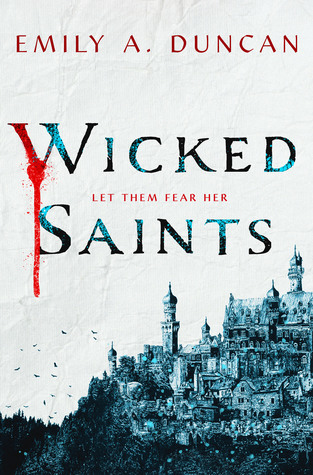
The Wicked Saints by Emily A. Duncan | Book Review

Pages: 400

Genre: young adult fantasy

Publish date: 2. April 2019

Synopsis

A girl who can speak to gods must save her people without destroying herself. A prince in danger must decide who to trust. A boy with a monstrous secret waits in the wings. Together, they must assassinate the king and stop the war.

In a centuries-long war where beauty and brutality meet, their three paths entwine in a shadowy world of spilled blood and mysterious saints, where a forbidden romance threatens to tip the scales between dark and light.

My thoughts

Rating out of five: four

I received a copy of this book through NetGalley in exchange for an honest review.

I read this book in one sitting and found it very entertaining and better than I expected. It’s more of a high fantasy than a lot of other young adult fantasy books, especially since it has a magic system tied to what’s seen as gods, something I already really like and hope to see more of.

The writing is fenomenal. It’s really what sold me this book already a few pages in. The dialogue is a bit worse at points, but for the most part it had enough humor and cleverness.

The problems I have with these books think I have a lot to do with the level the beginning was at, and the expectation it created in sense of style and progress. I really felt in the beginning that this book was well thought-through, with a vast world and great, complex characters. A minor problem, but one that irked me, was the names. Like why don’t make the names easier, when you chose to introduce so many places and characters at once, slavic-inspired or not. Like main characters are Malachiasz Czechowicz and Nadezha. Thinking more about this, I think it might also be a problem with the voice of the book chosen as very personal, because it’s young adult, and then Nadezha trying to give a bunch of information about this world as if it was knowledge she just gained. I get that it would’ve taken a lot more effort probably, but I feel that it can be done better with enough tweaking.

The big problem I had was the composition of the book and the plot in that it tried to do a lot. I usually never complain about this! But the introduction and reader’s connection with the characters, which turned out to be so interesting, was swallowed by the need to move on with the plot in the story. It succeeded in going straight into one life-and-death conflict, but then it did so again, without yet having given the slower moments in between where you get to know the characters. It was too obvious that the plot needed to progress at a fast pace, especially in how characters – especially Nadezha who is the “outsider” – suddenly puts together things they shouldn’t have been able to! It happens enough times that it became a big problem for me.

I would recommend giving it a try, because there’s things this book does really well, out-weighing what I see as the more awkward parts. Nadezha dealing with conflicts towards her gods and how the gods worked in this world was a favourite part of mine. Still, of the alternatives given to her towards the end, one seemed much less preferable than the others, and I wonder if that was like a flaw in how unbalanced the portrayals actually were or like a very personality based opinion. So if anyone has read the book – I would really like to discuss the Nadezha’s choices at the end!


In general, I liked this book and I am looking forward to reading the next book in the trilogy.

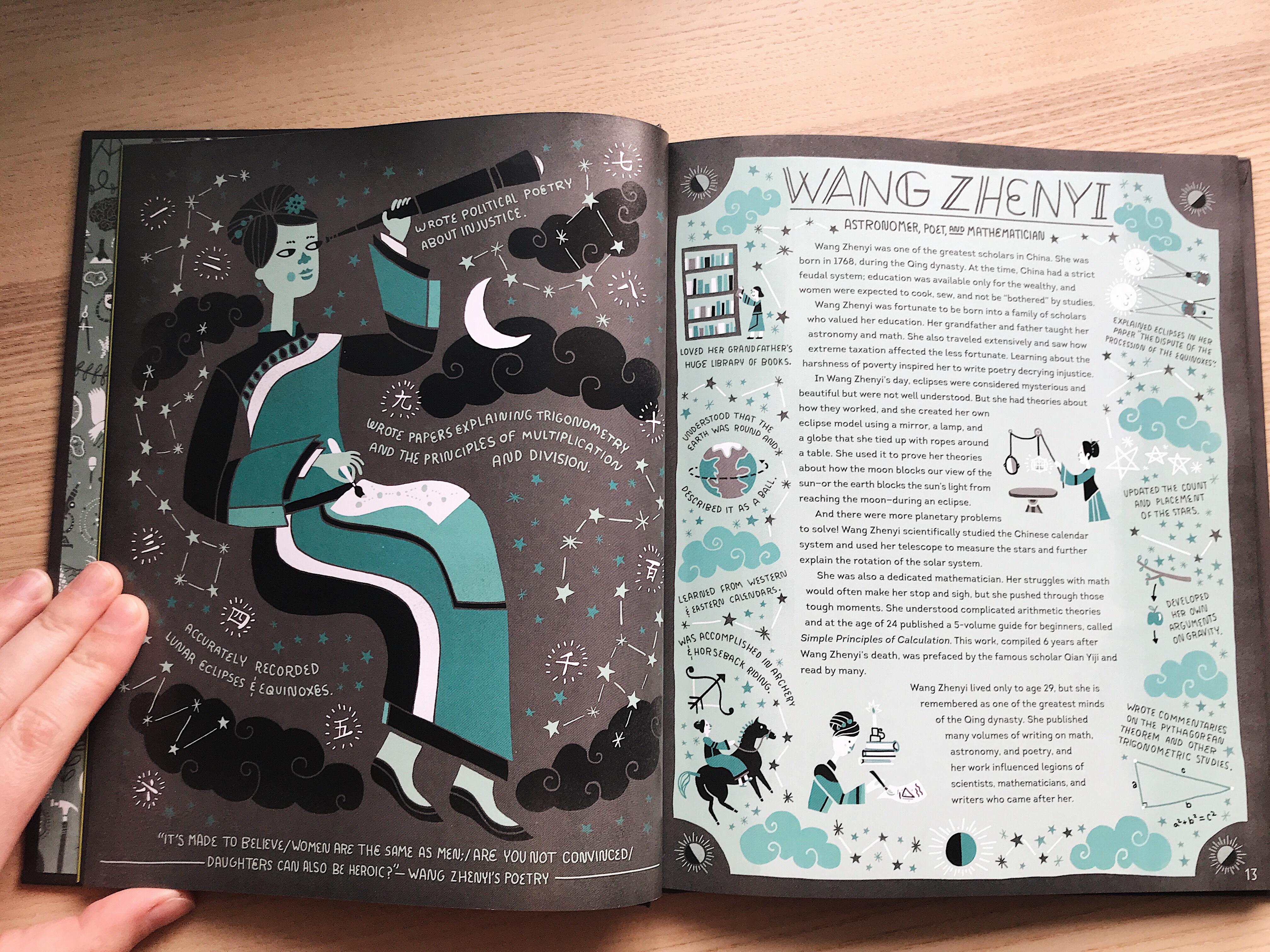
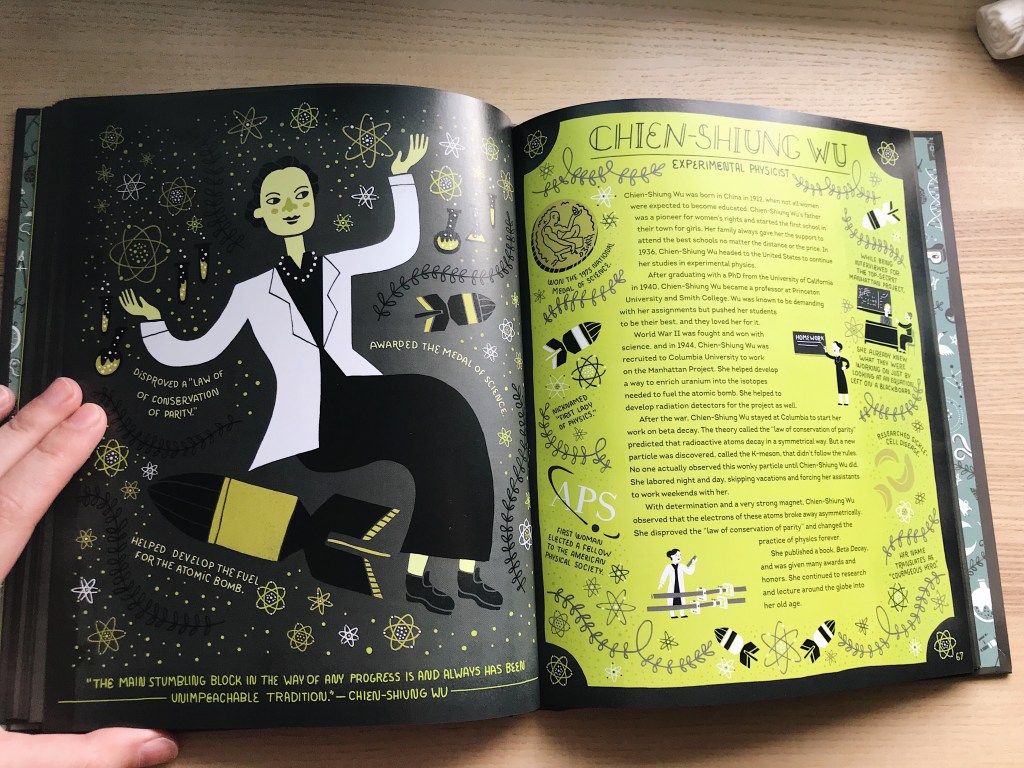
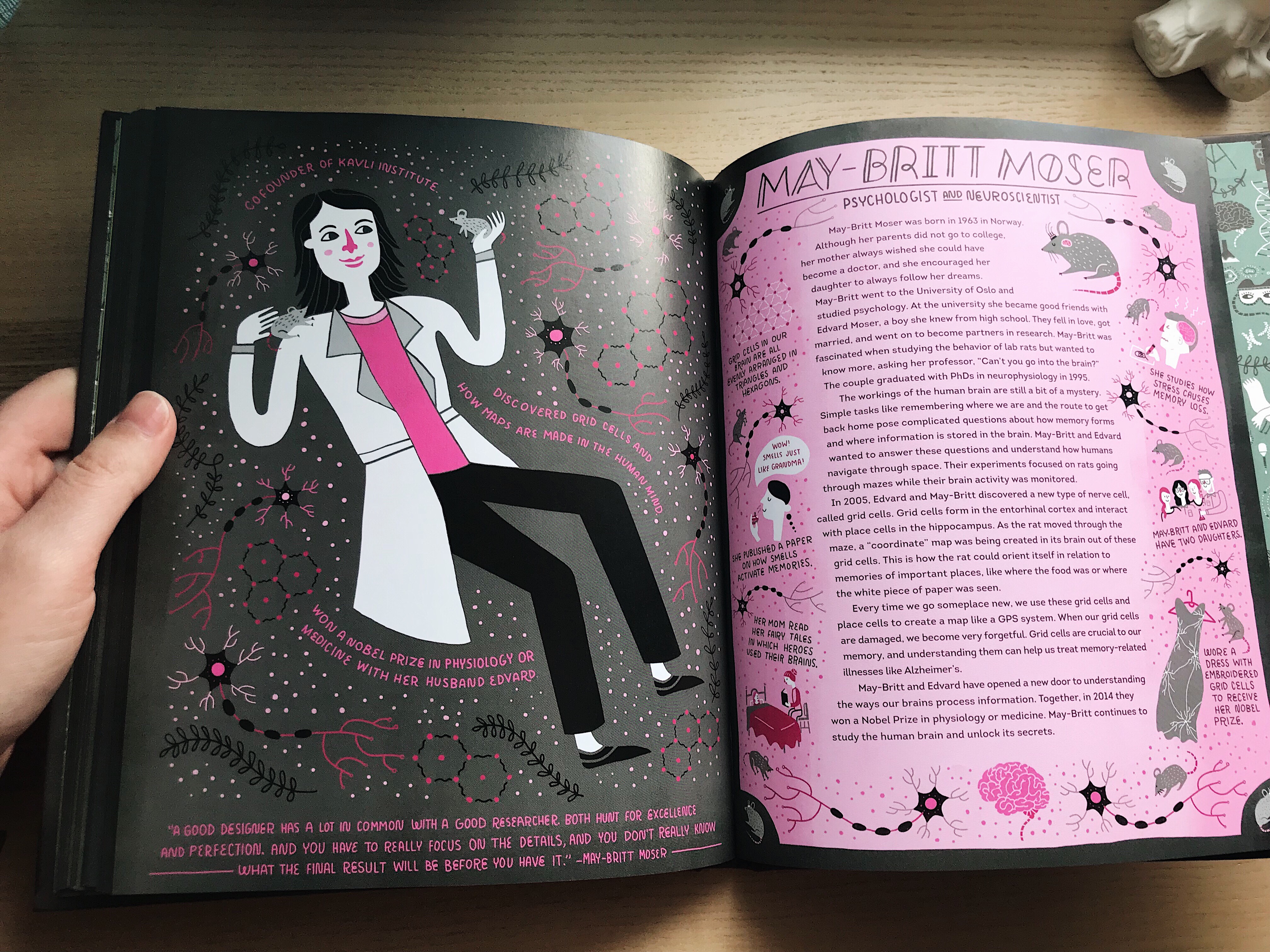
My New Favourite Book: Women in Science

It’s Women in Science: 50 Fearless Pioneers Who Changed the World
by Rachel Ignotofsky
and it’s so gorgeous and well-done, I was smiling wide while reading the whole thing.

I LOVE THIS BOOK. I realized that the moment I laid my eyes on it because the illustrations are EVERYWHERE and adorable. I love it so much. I found this book by listening to a podcast called “Talk Nerdy” where Rachel Ignotofsky was on talking about the books and other things. She’s also created books with Women in Sports and The Wondrous Workings of Planet Earth. This book is written with kids in mind, because the writing is elegantly simple and accessible. I’m going to gift this to every kid I know, I would recommend it to everyone else as well.

Why I think encouraging girls to study science is very needed

I’m going to study science at university, but as I was growing up I’ve seen nearly just male scientists and had only male science teachers (until now). Not only that – growing up I had no female friends interested in science! What you choose as a career isn’t just based on your own interests and views, but things like who you can imagine yourself as in the future, in ways it’s difficult to control or pinpoint. I grew up in a place where people were very encouraged to follow what they were good at and make a living out of it, while where I’ve spent the last five years is more focused at getting the right degree or experience to work in one of the existing jobs. I’ve seen those different mindsets, along with economical situations of course, really make an impact on people’s choices.

I’ve never tried to shape my life after role models, but then I’ve also never had anyone I wanted to be like. This book gives so many examples of women who followed their passions and made their own path. And that’s really needed, because you want science (especially maths and physics, which is still stigma around) to be introduced as viable alternatives.

Here’s the thing that sucks: people don’t understand at even smaller levels what makes it harder to be a girl in science. It’s 2019 and I’ve heard a lot of jokes from my own physics class, every one of them individually harmless, but together they further a division. The fact is that I’m not trying to prove myself every time I step into a classroom, but that’s a choice I had to make to be able to be curious and ask questions, and something I see others are struggling with. I think it’s important to not divide scientists into “scientists and female scientists”, but mostly at a higher level, because as long as it’s not as many male and female choosing the fields, it is needed to encourage girls in different ways to cancel out those different social views that has gotten us here. One of the guys in my class was disagreeing with one of many invitations to visit a university being only for women, and I get the immediate reaction. But it shows how hard it is to make someone understand how it can affect a person growing up seeing girls staying dumb on purpose because doing well on math tests isn’t cool or likeable, or encouraged by parents really, and how it’s so hard to find other girls with shared interests.

But also look at the norwegian scientist featured! I was really excited, even though it’s one of the few I already know more about in this book. To round this off- I’ve seen more initiatives to get girls/women into science fields, some of them natural, others very cringe-inducing, and really think and hope it’s getting better than it was just ten to five years ago.

I really adore how this book shows scientists in different styles, ages and personalities.

The Wicked King by Holly Black | Spoilery Book Review

The folk of the air #2, the sequel to The Cruel Prince

Pages: 340

Genre: young adult fantasy

Synopsis

You must be strong enough to strike and strike and strike again without tiring. The first lesson is to make yourself strong.

After the jaw-dropping revelation that Oak is the heir to Faerie, Jude must keep her younger brother safe. To do so, she has bound the wicked king, Cardan, to her, and made herself the power behind the throne. Navigating the constantly shifting political alliances of Faerie would be difficult enough if Cardan were easy to control. But he does everything in his power to humiliate and undermine her even as his fascination with her remains undiminished.

When it becomes all too clear that someone close to Jude means to betray her, threatening her own life and the lives of everyone she loves, Jude must uncover the traitor and fight her own complicated feelings for Cardan to maintain control as a mortal in a Faerie world.

My thoughts

Rating out of five: three

Usually I try to keep reviews with minimal important spoilers for plot points. This review is filled with spoilers, because it’s a sequel and I find it nearly impossible to discuss it without them. Here’s your warning.

I didn’t like this book as much as I thought I would. On one side I really like Jude as a character, but she didn’t feel consistent through the book. The plot also felt a bit too straight-forward compared to the first book. The worst offender is the world-building, which feels more like a sliver of “A court of thorns and roses” by Sarah J. Mavas, without the awesomeness that is politics of separate courts and Velaris, than actually made by Holly Black, at this point.

The romance. It’s there through the whole book, constantly being teased, the chemistry is there, but definitely with some weird power and trust dynamic that Jude and Cardan had to figure out. I really like the enemies to lovers storyline in general. In this book I felt it at points were too much spelled out, instead of like convincing me they were attracted to each other. The he hates you and so he loves you more for it felt too artificial.

The ending. From reading other reviews, I think this is what seals the deal for those who really like this book. I saw the ending coming too early. I didn’t see every twist of it, like the Ghost, which was nice. This might be because of my view of the romance all along and how I really didn’t trust the character that is Cardan would to give up an ounce of power willingly. The moment Jude gave up her control of him, I threw my hands up in the air in defeat. So I definitely had interest in which way it would go, if she would go in the trap. The someone you trust have already betrayed you was too much of a hint as well.

The characters. I love characters, especially protagonists, that aren’t just good. It was what made me love the first book. I felt Jude was inconsistent in this sequel, because the sides of her that the plot needs are what is played up in each scene. Like the girl is suddenly a master tactic, then her self-esteem is low, then she needs to be something else for the chemistry to Cardan to work, then she needs to order him around and at the same time feel low and human enough that she would stay and get ridiculed. A character can of course change roles, but it got to be a problem for me. Again it comes down to authors like Sarah J. Maas who has done this “elf pretend they’re evil” thing so much better already. There were opportunities I wish the book would’ve taken instead, roads it went down in the first book, like exploring struggles related to Jude going darker and not wanting to give up power, instead of her talking scared to herself about it. It just further shows the different view she has of herself and the master-mind position the others are constanly giving her in a way that doesn’t make sense.

I really did like one thing in particular – Jude having second thoughts about Oak and just the dilemma of shielding a child. Wondering if that makes the child more likely to grow up less empathic or not understanding consequences. Or like Jude puts it: “Now growing used to sugary cereal and a life without treachery.”

In general it seemed like this book lacked smooth transitions through plot points and could’ve had more well-rounded characters and world with more editing and thought put into it. Especially if like more place was given to exploring moral dilemmas, or going down the road of Jude thinking in accordance with her more ruthless actions, turning a bit darker for those she loved or to protect Oak. I feel like Holly Black usually has a high quality when it comes to characters and world-building, so when I wasn’t quite feeling the plot, these things started to annoy me.

My feelings reading this book: it was entertaining, but also annoying at points, could’ve been done better

Would recommend it if you liked “The cruel prince”, but be aware that it might not do the same things for you and go into it with lower expectations.

Fantasy Characters I’d Like To Switch Places With | Top Ten Tuesday

Top Ten Tuesday is hosted by That Artsy Reader Girl to bring bookish friends together. A new topic is posted each week.

This is a dangerous game to play with any fantasy books, because suddenly you’re up to fight a dragon. Do I want that? Young adult romances would just have me at the edge of the drama, scheming about how to avoid most of it and bring peace. I saw through my favourite books and all have a lot of shit I wouldn’t want to deal with. So I’m making this list with the assumption that I don’t get their personality or skills as well, unless they are magical powers.

Harry Potter series: Ron or Luna?

I’d take the place of anyone who attended Hogwarts, got to be in the middle of the final fights without dying and had a good family. At the very least not Harry Potter.

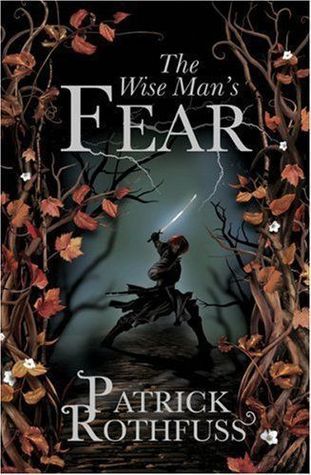
The Kingkiller Chronicle: Elodin

I’d be Elodin over anyone in that series! He’s already through the university as he’s the youngest master and chancellor. He’s not got the protagonist Kvothe’s troubles, many of them still unknown. He’s still got contact with Auri! Knowledge of shit! Mental problems is a huge negative, but who doesn’t in that series.

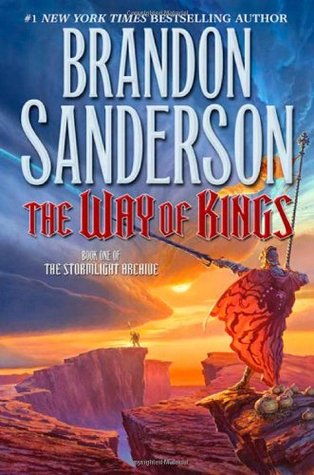
The Way of Kings: Lift

As a thief she’s incredibly street smart. She’s also got awesome powers through being an Edgedancer, including metabolizing a lot of food and using it to “become awesome” or create the source of magical powers, along with running around with everything sliding off her because of no friction and being able to regrow plants and other things. She’s at the outside of a lot of horrible points of the series, like for example she’s not swinging a blade on the battlefield like Dalinar, but she still is an important figure and takes on the role of being more like a spy. She states herself that she doesn’t make choices or take on the responsibility of protecting others, but her actions says otherwise and I think I would need that level of moral sense, but also not guilt, in a world like hers.

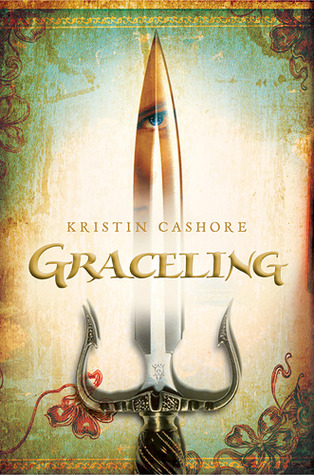
Graceling: Katsa

if you wanted to be any fighter, in any book, you’d want to be her. In her world there’s graces, which is different magical abilities certain people are gifted. Katsa’s ability is a big part of the plot, so I won’t spoil anything.

Short reviews: short fantasy story & more poetry

Anyone surprised? I love doing short reviews on poetry. Here’s the other short reviews.

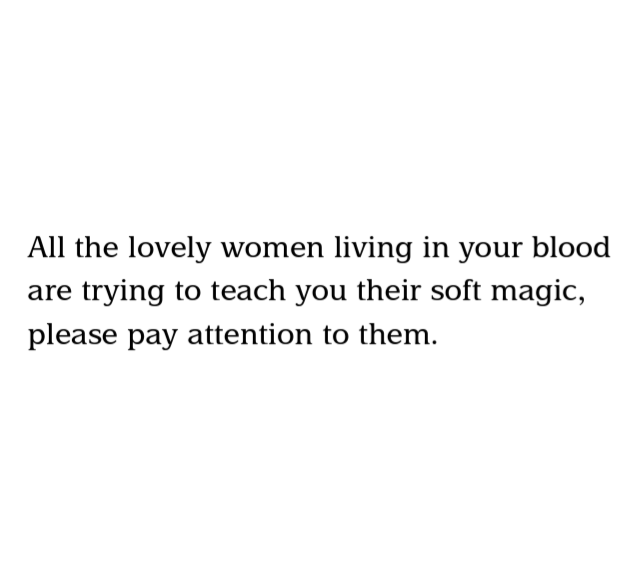
soft magic. by Upile Chisala: The beginning of this poetry collection had me worried, but it got better. The style is very minimalistic, instagram-poetry as I’ve heard it described as. It is about being black, family, love, it’s meant to empower. It’s not that I don’t like this style, it is just harder to convey powerful pictures with so few words and make it somewhat unique. I don’t think this collection quite manages it. The message is definitely great, and I think those who pick it up and is looking for that empowerment will like it just as “milk and honey” has been loved. It’s an easy read, good to get people into poetry, but I found it lacking.

2/5 stars. I received a copy of this book through NetGalley in exchange for an honest review, thank you. Goodreads.

The one’s who walk away from Omelas: I found this with a recommendation of stunning writing and story-telling. It’s only about 30 pages. Started out with beautiful, descriptive writing about a happy city and then it took a turn. Ursula gives such a simple, as in few elements, of a moral dilemma. It took some time before it dawned for me the extent of it. And it showed so much through the people’s reactions to it, in just 30 pages. Everyone should read it, especially if you want to tell good stories.

5/5 stars. Goodreads.

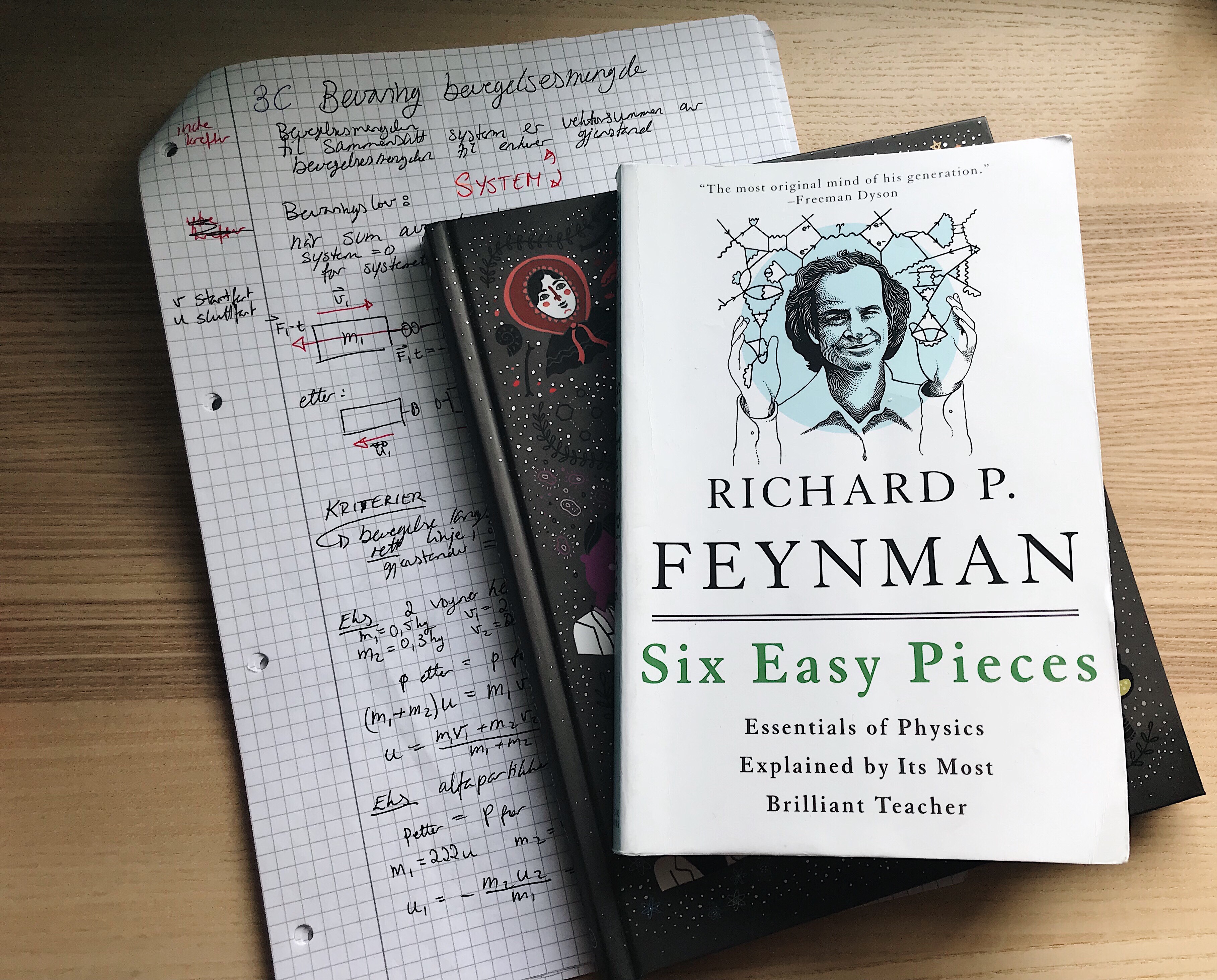
Six Easy Pieces by Richard Feynman | Book Review

Genre: physics, nonfiction

Pages: 140

About the book

Richard Feynman is a well-known physicist, he was awarded the Nobel Prize of physics in 1965 for his developments to the quantum field theory. This book isn’t lying when it claims he’s one of the most brilliant physics teachers as well, particularly well-known for this introduction series of lectures from Caltech university in 1964, that this book is based on.

My thoughts

Rating out of five: four

My background going into this book: one and a half year into physics classes. I read this book a while ago and just now decided to post the review, the day after I sent my application for a physics bachelor at university!

The only reason this isn’t getting five stars are that the lectures are older. This book was first released in 1994, it’s an abbreviated form of the 1964 Feynman Lectures, which has been edited later. I just feel as an introduction this should have more side-notes on later development (just a couple words) and where to find more information on them, because it’s meant as an introduction.

The way Feynman talks about physics de-mystifies it, and makes it accessible. As someone who is going into physics, I’ve already learnt to love formulas. They say so much in so few sentences! It’s like abreviations, but you got to have an understanding of what they mean. Feynman is so aware of this, and instead put physics concepts into words, very elegantly. I really do get why he’s so looked up to. He’s up there with Stephen Hawking, in the quality of his writing. I’ve read parts of Einstein’s biography, and while he was a incredible scientist, his lectures were known from the beginning for jumping straight to the top-level difficult problems, leaving most of his students behind. I think Feynman explains really well concepts of physics, that we look at the universe and create certain rules or theories through observations and experiments that explain what we see. But also gets into more specifics, where my favourite parts were comparing physics to other science fields, the history of finding particles that everything in the world is made of, about the strangeness of fluid physics (especially turbulent fluids, Smarter Every Day made a great video about it that I’ll link to down below) and conservation of energy as a great intro to the concept of energy that everyone hears so much about, but usually don’t understand.

What I felt reading this book: not so weird for loving physics, and that more people would if this was the type of intro they got

A great bit of info on the questions around laminar and turbulent flow (fluid physics) with some nice fontains)