the online self with relation to time

Two years ago I wrote a post about how weird it felt to not write anything here anymore. To join the ranks of those blogs I read growing up, where the authors went off to college or otherwise got busier in their lives in the way where writing was no longer an effective creative outlet anymore. I never posted it. A small reason being how weird it is to have something exist on the internet that I haven’t looked at in years, and yet it is read daily by others.

I’ve written less than a handful reddit posts in my life, most of them asking for very specific advice that was not easily googleable. Pre chat-gpt and all*. Anyway, I googled a thing recently and my own post popped up, I only realized by recognizing the familiar writing style. Sometimes, apparently, you can have the exact same problem five years later and find internet-you reminding you of the solution.

That’s all to say I don’t know if I can stand by every opinion on every book I’ve talked about on here, yet I don’t care enough to check. It’s book reviews after all. I’ve been on the Internet since I was 11 years old, thankfully not posting anything for 99% of that time. At 26 years old, I somehow find myself returning to the same views about the world I already had many years ago. Sometimes I read journal entries and find the past me more eloquent. Teenage me spent time to figure out her world-view and communicating it to people who asked. My early twenties was all about navigating it.

Now, there’s somewhat a forced balance in social settings due to the fact that I’m busy. It sounds weird, but in past real life situations I noticed when someone was acting in bad faith and I then had to navigate that. And that’s still something I make sure to deal with if it’s about groups or people other than me. Yet these days, I don’t recognize most snide remarks meant to affect me. Sometimes I realize three days later. And I feel no shame about it, because it means I don’t feel a need to conform. Yet, there’s new factors in my life that makes me able to do that now, so it’s somewhat due to age and experience, but not all.

*I have yet to find an use for AI directly in any aspect of my life. Last week it both gave me the wrong symbol for math derivation (the only logical way to write the formula was using partial derivative, not functional derivatives, so it was a major mistake on its part) and it gave me wrong advice on yarn was of which type. Apparently due to the mistake that in English “worsted wool yarn” is both a way to spin yarn to make it smoother and a way to describe the weight of the yarn. On a related note I’ve started to learn a traditional/indigenous way of weaving bands.

I’ll admit the Dunning-Kruger effect is something I battle with every day, mostly recently in getting up from the valley of despair about everything I cannot possibly learn, also about physics as a new master student. Yet as you are exposed to just how many niche paths in your own field there is, you do realize that it is impossible to know most things. That does not mean you can not find points or facts to anchor you in your view of the world, let it be facts about nature or small advice in your daily life.

In daily life I believe whole-heartedly in the idea of collecting what is helpful and discarding the rest, be it ideology or anything else. Applied to books, this might even mean you reread something and realize new layers the story had where you did not realize before. Or that it is shit except for that one character you did adore. Lastly an update about books; I’ve picked up so few fiction books compared to physics textbooks the past years, yet non-fiction audiobooks while running errands are the best.
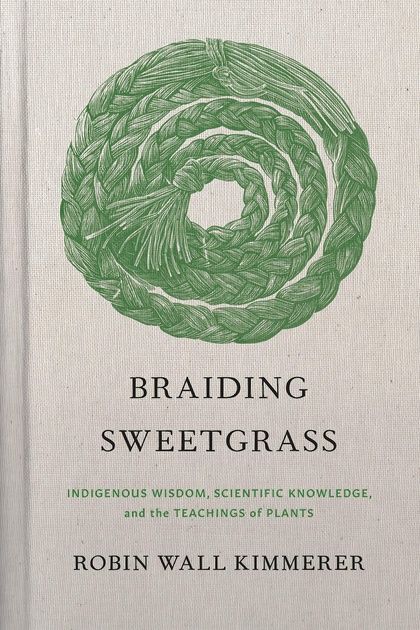
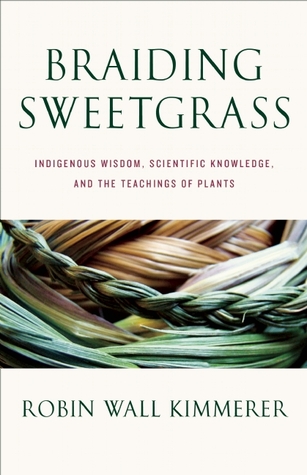
There’s one book in particular I would recommend connected to this theme. I absolutely felt I got something valuable while reading it the first time, yet I also didn’t understand it as much as I wanted to until learning more and then re-reading it. “Braiding sweetgrass: indigenous wisdom, scientific knowledge and the teachings of plants” by Robin Wall Kimmerer was recommended to me for its well-written facts about nature by a professor in the subject, yet its whole message is useful both to those new to it, those from a biology background or those who have knowledge of the indigenous in other contexts. I would write a review with how it has helped shape my view of indigenous groups connection to academic institutions and science, especially as someone who is disconnected from my own indigenous background. For now, there’s physics textbooks to read and indigenous weaving to be learned with instructions in a language that is not googleable (and how surprisingly proud I was when I found that out, that certainly has to be a choice made). Google translate both tried and failed to add the language to their translator, so I won’t even have to ponder the ethics of that.

You will find me with weaving instructions from the library, a dictionary and the right type of yarn, despite AI and Google’s current best attempts. The future isn’t coming that fast, it’s been in the works for a while.
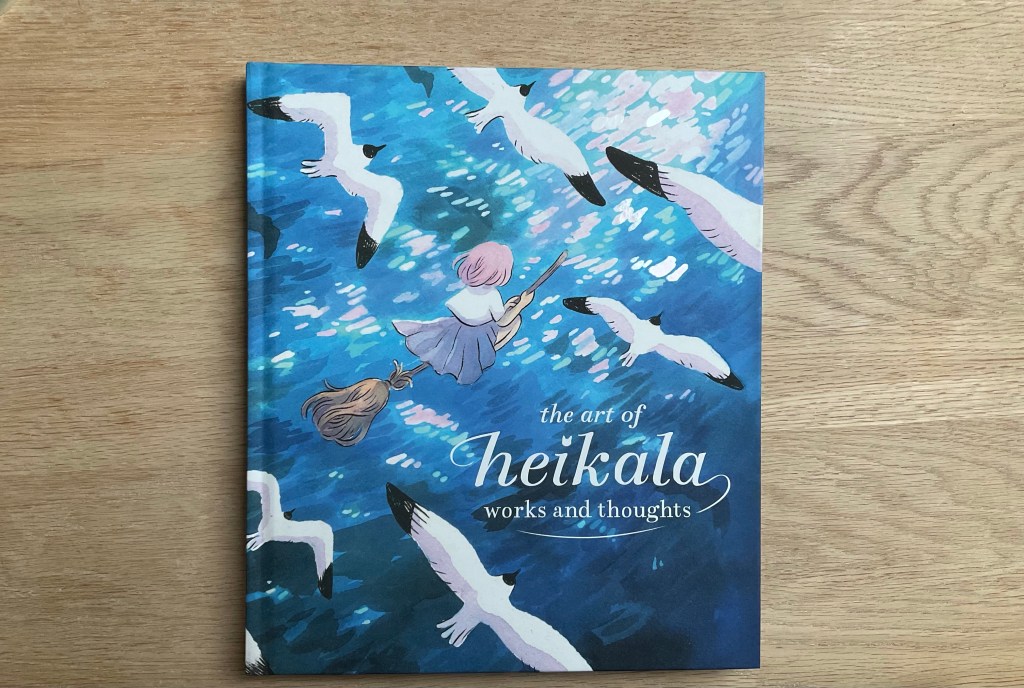
The Art of Heikala | Book Review

Pages: 152

Genre: nonfiction – art

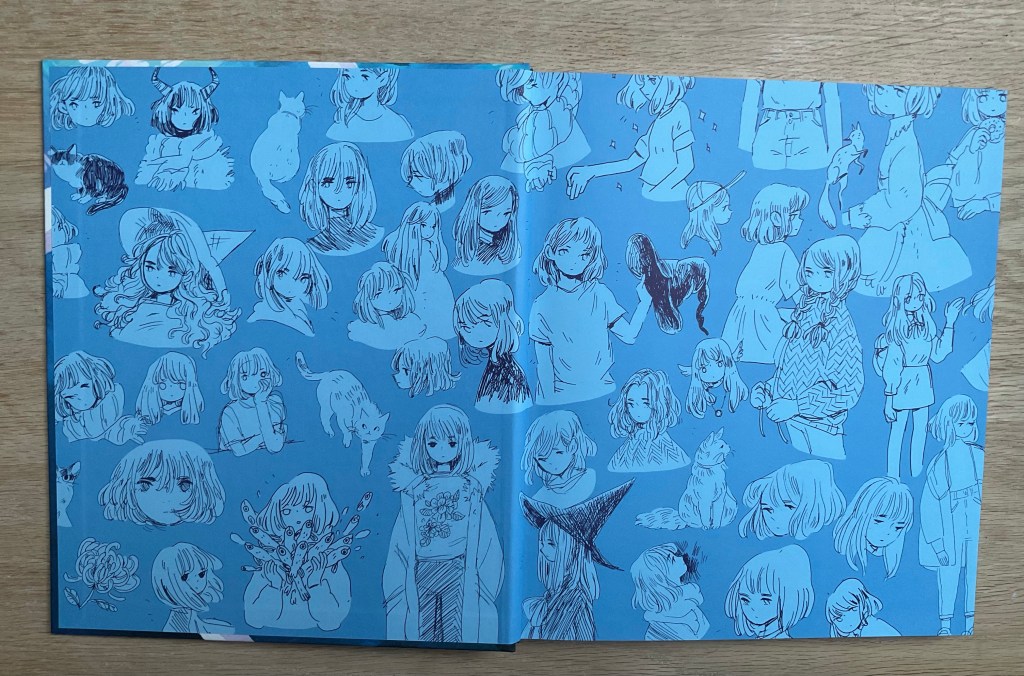
Heikala is a finnish artist drawing a lot of inspiration from both Finnish illustrations and Japanese animation in their artwork. I first noticed her because of the witch and wizard cat character series she did (in 2016/2017) and fell in love with the soft nature scenes, often with a layer of magic to it.

It’s both a visually stunning book from a great artist, as well as filled with information. It talks about how heikala made her career, how she draws and the process (with tutorials), the benefits of different media and recommendations for equipment. In general, Heikala seems to know how to build a brand and market herself, as well as making great physical products like this book. Heikala has never held back on showing people the process behind her work, which has made her very visible online. She has her own shop (https://heikala.com/) which has both artwork and bundles of equipment for those who may want to start out with watercolour or ink or encourage someone else to do so. It’s very clever because I think especially watercolour is something that is looked down on from non-artist because they have “tried it” either as kids or adults, and might have liked it better if they did not have really bad paint and equipment. I don’t paint a lot myself, but I have tried quality watercolour and it makes a difference. When I do paint I prefer gouache which might be an odd choice for a beginner, but I find it more forgiving than watercolour while giving a similar look, which I love.

It’s both a really inspiring book which fits both artists and non-artists, and filled with great art pieces and works in progress.

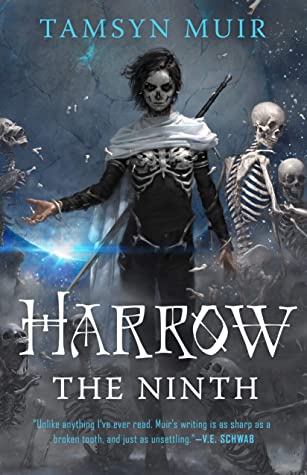
Harrow the Ninth (The Locked Tomb #2) by Tamsyn Muir

Pages: 510

Genre: fantasy, sci-fi, queer characters

Synopsis

She answered the Emperor’s call. She arrived with her arts, her wits, and her only friend. In victory, her world has turned to ash.

After rocking the cosmos with her deathly debut, Tamsyn Muir continues the story of the penumbral Ninth House in Harrow the Ninth, a mind-twisting puzzle box of mystery, murder, magic, and mayhem. Nothing is as it seems in the halls of the Emperor, and the fate of the galaxy rests on one woman’s shoulders.

Harrowhark Nonagesimus, last necromancer of the Ninth House, has been drafted by her Emperor to fight an unwinnable war. Side-by-side with a detested rival, Harrow must perfect her skills and become an angel of undeath — but her health is failing, her sword makes her nauseous, and even her mind is threatening to betray her.

Sealed in the gothic gloom of the Emperor’s Mithraeum with three unfriendly teachers, hunted by the mad ghost of a murdered planet, Harrow must confront two unwelcome questions: is somebody trying to kill her? And if they succeeded, would the universe be better off?

My thoughts

Rating out of five: two stars

This might be the first book in a series where I missed a bit of repetition about the world-building and where the first book left off. Because it’s a complete shift in writing style and vibe of the plot. To the point where I was both googling and reaching out to friends about whether this book was worth continuing to read. And while they thought so, because «it would be explained eventually», I would rather have stopped when I look back. What interested me most about this book was why I didn’t like it, despite trying my best.

It has a second person POV for large parts of it. I started reading it on a kindle, switched to audiobook on advice from friends, but could not stand the character voices the voice actor made. (I’m sure they’re great, it’s just a personal preference.) So I finally read most of the book in physical format and at the end the narrative choices made sense. But that doesn’t mean it was worth it. Short format, either within a novel or on its own, you can experiment a lot with narrative styles. But because of the supposedly expansive sci-fi/fantasy world, with planets and gods, the plot gets kind of muddled with the narration. It’s both an unreliable narrator, a lot of characters, multiple plans the protagonist knows little about and basically an amnesia storyline (even if magically induced). When someone dies, it’s hard to care, in what is supposed to feel like a whole big mystery. It has such good ratings, but if a younger me read this book I would just go «I’m sure it’s great and I just don’t quite get it», when in reality this is a book with a great idea of how to tell a story, but a mostly bad execution.

Some parts here and there the writing really work, but then it loses focus again in the (un)balance of getting the reader information about both the expansive storyline and the character storyline so that they could be tied together. It’s the type of book that could need more than 500 pages to explain the world, but where 500 pages is way too long already for the exhaustive narrative styles. Mainly, I think it could’ve been fixed by having Harrow not be such a big protagonist as she was.

I’m kind of tempted trying the third book, Nona the Ninth, just because of the big switch from the first to second book and the small chance the next is something else again. But I definitely lost a lot of faith in the series.

Start of 2023 TBR: fantasy, poetry and … climate change?

I post so rarely that I’m amazed people still read these posts, but thank you and please share what books you are excited for this year.

Fantasy

  • Harrow the Ninth (The Locked Tomb #2) by Tamsyn Muir. I loved the first book, I’ve been struggling to get through this one to be honest.
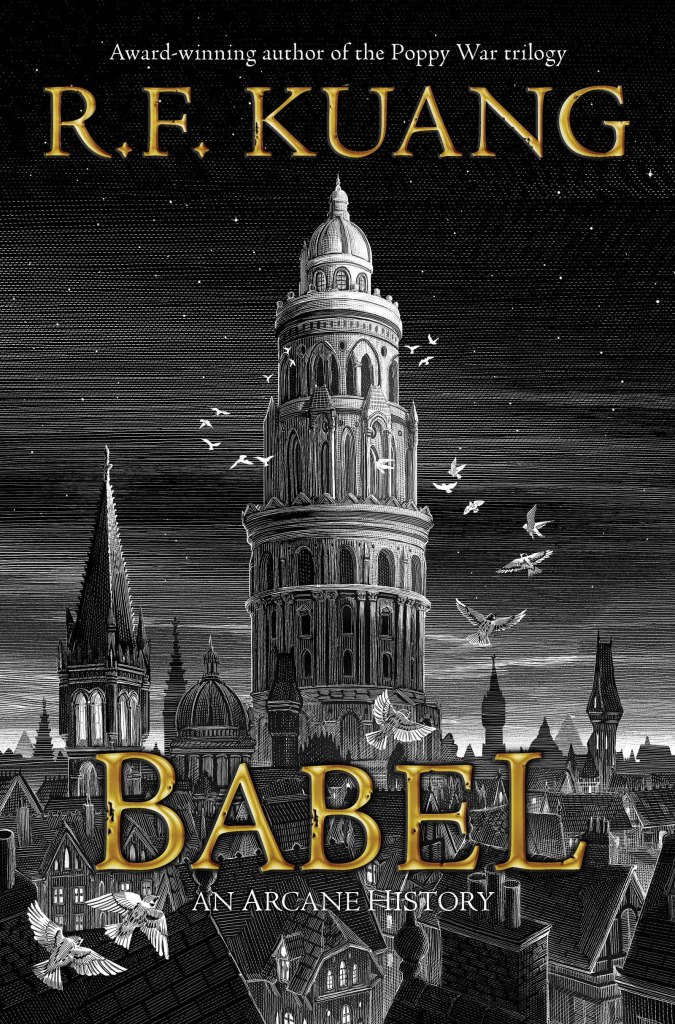
  • Babel by R. F. Kuang (also dark academia): going in pretty blind, but hoping for the best.
  • A Vampire’s Redemption (The Inquisition Trilogy #2) by Casey Wolfe (queer): the first book was great!
  • The Library of the Unwritten by A. J. Hackwith: I don’t remember who described this as a morally gray type of character doing the trope of “coming out of retirement” and returning to power, only that protagonist is also a librarian.
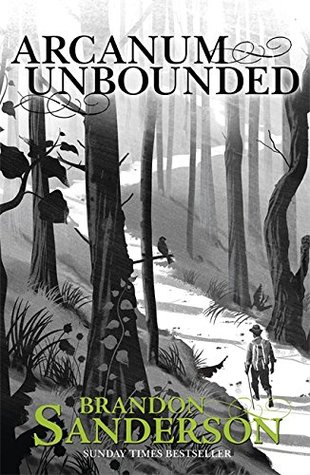
  • Arcanum Unbounded by Bradon Sanderson: a collection of Cosmere stories.
  • A Master of Djinn by P. Djèlí Clark (queer): I’ve heard so many great things about this debut fantasy set in Cairo with murder mystery and secret societies.

Poetry

  • Lunch Poems by Frank O’Hara
  • Closer Baby Closer by Savannah Brown (released in february)
  • War of the Foxes by Richard Siken

Classics, memoirs and essays

  • Frankenstein by Mary Shelley (classic): I’ve tried getting through this book once already, I love the experience of reading it, but it’s so dense I struggle to get into it (more so than other classics even, idk why?).
  • The Lonely City: adventures in the art of being alone by Olivia Laing (essay/memoir): I wanted to read this when moving away from university, but it’s like four years later now.
  • Tuesdays with Morrie by Mitch Albom (memoir): I do not know anything about this book, but it appeared on my tbr shelf somehow.

Nonfiction and science

  • Immun by Anne Spurkland (in norwegian)
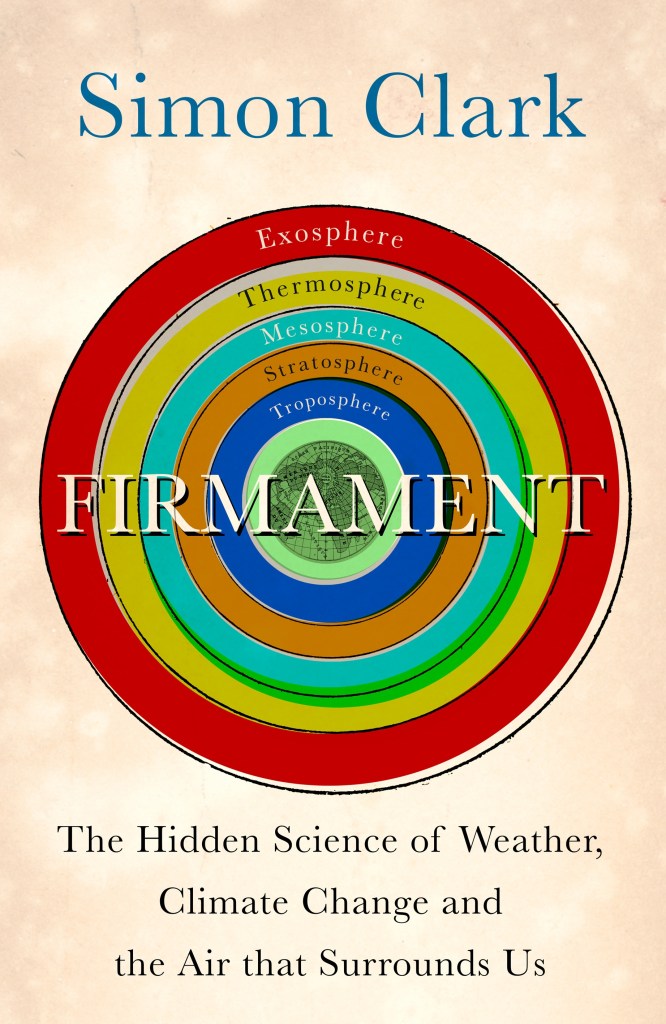
  • Firmament: the hidden science of weather, climate change and air that surrounds us by Simon Clark
  • The Story of More: how we got to climate change and where to go from here by Hope Jahren
  • Braiding Sweetgrass by Robin Wall Kimmerer: this book keep being referenced in so many science podcasts I listen to!
  • Friends: Understanding the power of our most important relationships by Robin Dunbar

Personal project / rant

I don’t really do new year’s resolutions, but a type of personal project this year is read or watch more indigenous stories. Probably it would be mostly Sami related, as that’s the indigenous group I have closest knowledge / association with. Last year two separate things were in the national news here around the same time. The first was the question of how far climate change activists were willing to go, in terms of violence against property and/or people. The more I read of the discourse, the more I hated the existential negative parts which never pointed out successful past campaigns (like those fought by indigenous people for their local environment) or had any future strategies in mind. Because I get that climate change has gotten to the point where it is going to be bad anyway, but if you want to be an activist you should have thoughts on how you think it can be better, for your own well-being if nothing else. It hightlighted to me that the values which you base your «ideology» on matters. It’s too easy otherwise to fall into elitism, or the «the world would be better with less people in it» or, you know, eugenics.

Anyway. The other thing in the news a lot was Sami politics where there’s proof non-sami (and right-wing) people were encouraged to meddle in indigenous politics. Mostly to undermine rights and use of land or for financial gain, as far as I understood. And that also often has an enviromental side. It brought up the question of who is Sami «enough» to vote on Sami politics here, but the norwegian government has pretty well-defined requirements. And some fall outside of those, even if they would consider themselves Sami, so that is another debate. But personally I do fill every requirement to be considered part of that registry of Sami people. So I feel like it’s natural that I’ve come to a place where I want to know more.

On the science side, I’m taking atmospheric physics and climate change as a course, which has been great so far.

Books Read in 2022: a summary

My reading this year has been about 65% of what it was in 2021. I thought it was a lot less, because I have read less books in total, but number of books is such a weird way to count «reading» in general. Time would be a great, but difficult way to count, amount of pages is at least better I think? I did start out the year getting my heart broken by a book in the worst possible way, by “The Secret Commonwealth” by Philip Pullman. I was also so excited for “Book of Night” by Holly Black, but it wasn’t quite what I expected. In so many other ways it has been a great year, with some wonderful books.

The Hand on the Wall (Truly Devious #3) by Maureen Johnson was both a book by one of my other favourite authors and one in a series I haven’t pick up in a while. And yet it was great! It was the semi-conclusion I was looking for, Maureen Johnson continues being great at delivering the stories (both in cast of characters, plot and vibes) she sets up.

Brandon Sanderson hasn’t failed me yet either, and the 4th book of the Stormlight Archive “Rhythm of War” was a great, long fantasy book. It’s nice to dive into his expansive worlds, where every aspect seems so well thought out, but there’s a limit to how many Sanderson books I can enjoy in a year before my brain melts.

This summer, where I hoped to increase my reading time, I read most of my way through multiple books only to find out they were just badly written. I think both “Other People’s Clothes” by Calla Henkel, “Boyfriend Material” Alexis Hall and The Maidens by Alex Michaelides fell under that umbrella. I really wanted to like “Mexican Gothic” by Silvia Moreno-Garcia, but it wasn’t quite for me.

I needed a good dark academia book after the let down of “The Maidens”. “The Lessons” by Naomi Alderman definitely delivered on that front.

The most surprising read this year was a book I picked up in swedish, a language I do not speak, but I can with much effort read as I’m norwegian. In english it’s called “If Cats Disappeared from the World” by Genki Kawamura, originally written in japanese.

I also read two other books that didn’t quite fit with the rest; “The Art of Heikala” which is the artist Heikala about her own process and a book filled with her colourful, great work, and the graphic novel “Mooncakes” by Suzanne Walker and Wendy Xu. Would recommend both!

Audiobooks

I listened to “I’m Glad My Mom Died” by Jennette McCurdy, which I almost don’t want to admit because it was such a chilling read in the way that it felt illegally close to reading someone’s journal of abuse. Of course it’s retold with the perspective of a now-adult, still multiple times I had to stop and remind myself that the author herself decided to share this information. It personally made me reframe how I think of child actors, from the best to the worst cases.

I also listened to “Permanent Record” by Edward Snowden. And it was enlightening, to the point where it made me dislike his personality more and still appreciate the work he’s done and what he tries to achieve in giving out information.

Physical books I’ve bought:

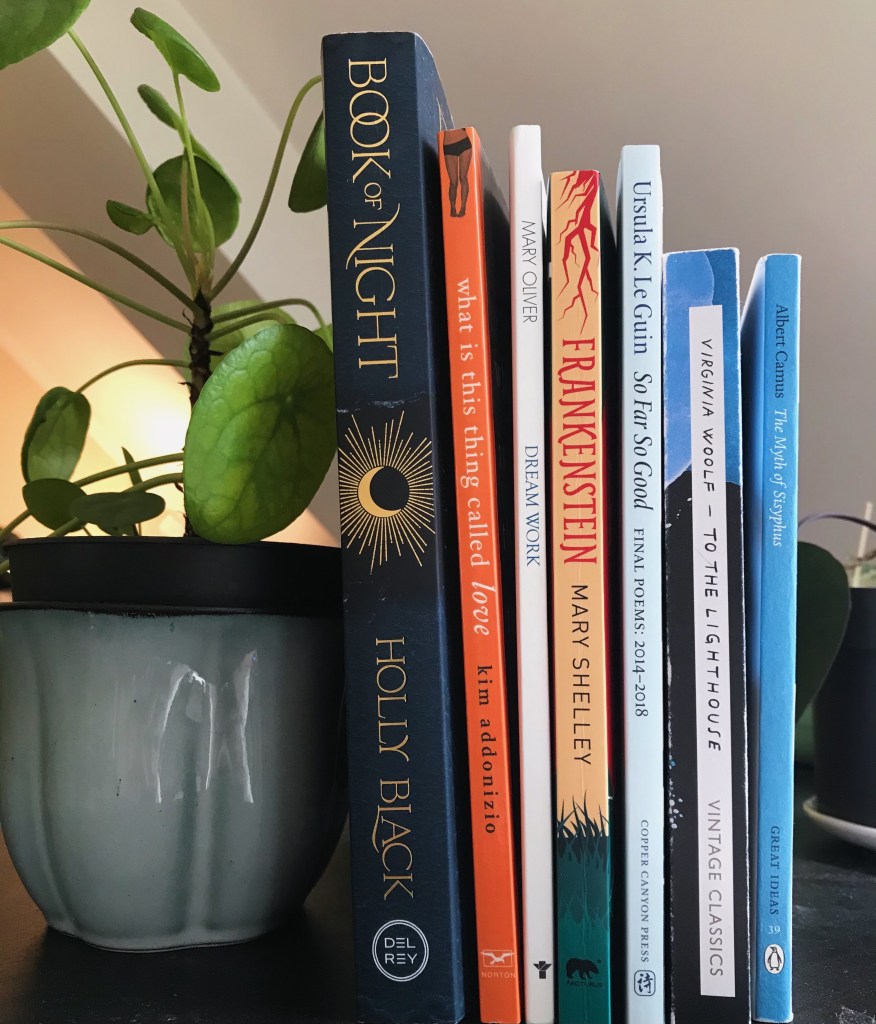
I bought a lot of interesting books this year, I just didn’t get to them. I’m halfway through both a lovely copy of “Frankenstein” by Mary Shelley. I think it’s the second time I’ve gotten this far, because it’s such a great, but dense book. And I’ve just finished “Harrow the Ninth” by Tamsyn Muir.

I’ve both bought and read some good poetry; “Look” by Solmaz Sharif and “So Far So Good” by Ursula K. Le Guin (which were the final poems of her life). I started reading “What Is This Thing Called Love” by Kim Addonizio and while I’ve liked and appreciated the pure honesty of other poems of hers, this one became just a bit too gritty for me. Somehow drunkenness in combination with her descriptions of love became too much so I just decided this one wasn’t for me at all.

I also got “Babel by R. F. Kuang” and it will be one of the books I’m most excited to read in 2023.

Kindle books I’ve bought and will hopefully read soon:

  • “Tuesdays with Morrie” by Mitch Albom (memoir)
  • “A Master of Djinn” by P. Djèlí Clark (fantasy, steampunk, queer)
  • “Hench” by Natalie Zina Walschots (fantasy, queer)
  • “Friends: Understanding the power of our most impor tant relationships” by Robin Dunbar (nonfiction)
  • “The Library of the Unwritten” by A. J. Hackwith (fantasy, queer)

Some book posts I’ve made this year:

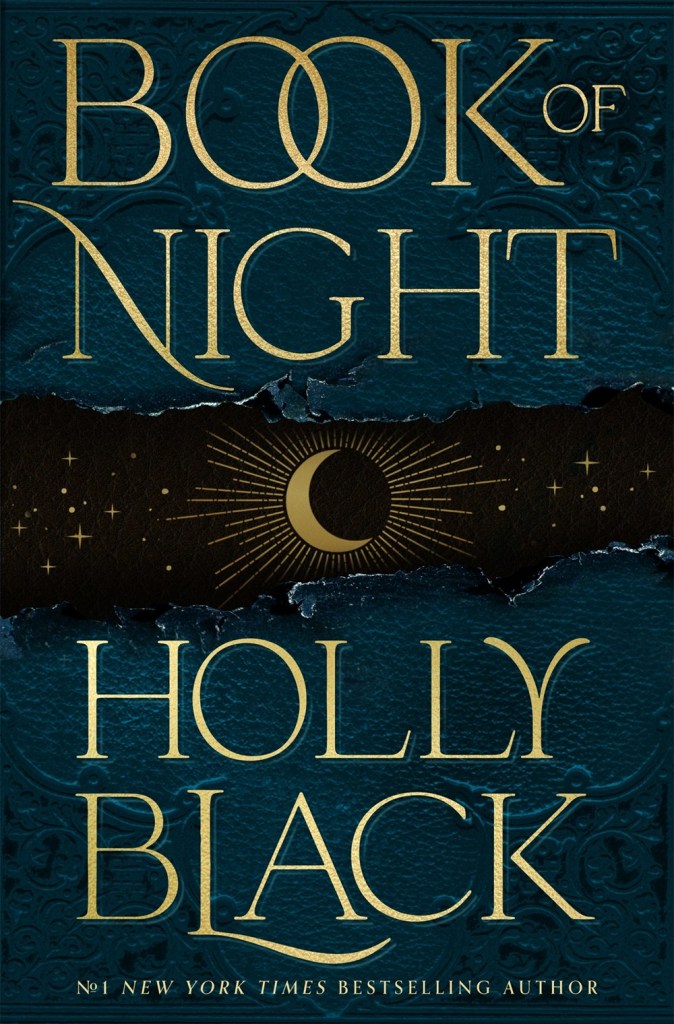
Book of Night by Holly Black | Book Review

Genre: urban fantasy

Pages: 304

Synopsis

In Charlie Hall’s world, shadows can be altered, for entertainment and cosmetic preferences—but also to increase power and influence. You can alter someone’s feelings—and memories—but manipulating shadows has a cost, with the potential to take hours or days from your life. Your shadow holds all the parts of you that you want to keep hidden—a second self, standing just to your left, walking behind you into lit rooms. And sometimes, it has a life of its own.

Charlie is a low-level con artist, working as a bartender while trying to distance herself from the powerful and dangerous underground world of shadow trading. She gets by doing odd jobs for her patrons and the naive new money in her town at the edge of the Berkshires. But when a terrible figure from her past returns, Charlie’s present life is thrown into chaos, and her future seems at best, unclear—and at worst, non-existent. Determined to survive, Charlie throws herself into a maelstrom of secrets and murder, setting her against a cast of doppelgängers, mercurial billionaires, shadow thieves, and her own sister—all desperate to control the magic of the shadows.

My thoughts

one out of five stars

I should say that I’ve read and loved eleven of Holly Black’s books, so I didn’t expect to hate this one as much as I did. Holly Black wanted to create an adult urban fantasy book, but she didn’t put enough effort into the world-building or the characters. Everything in this book seems like the shadow of other fantasy books, because it’s all just tropes thrown into a world that tries to be in the “now” with the mentions of NFTs, forums for sharing witch spells and witches that could be crystal-lovers of this world only with real magic. Holly Black seemed to struggle to write an interesting con-artist, the flashback scenes where she is trained are the most unorginal and boring. The writing in general is bad and overly descriptive of mudane tasks, as if that is what is going to make the story an urban fantasy.

Much of the emotional heart of this book is supposed to be carried by the relationship between Charlie and her mysterious boyfriend Vince, and the author manages to create such a distance between them even as they live together. It makes perfect sense for the plot, but also not written in a way where you automatically actually care about them staying together. It doesn’t help how Charlie has only had abusive boyfriends (claims it’s a family curse) and he’s simply decent to her. Charlie’s hate for men in general is weirdly written, it’s not a “been hurt one time too many”, it just shows up when the author needs some angst or bitterness. In general, Jessica Jones seems like the well-written version of the character Charlie was supposed to be. Also, I almost forgot how there’s this weird incest issue surrouding Vince that is never adressed further.

One thing is writing a dark novel for adults, another is being “edgy” with no further implications to the story. For a book about a con-artist, it’s not about heists, more a mystery novel. The plot is not that bad, but I had no interest in the not developed characters as it progressed. You can’t have a morally-gray character when there’s no depth to them to start with.

The Maidens by Alex Michaelides | Book Review

Pages: 337

Genre: mystery, crime

It has lots of trigger warnings, I would recommend to look them up before reading it.

Synopsis

Edward Fosca is a murderer. Of this Mariana is certain. But Fosca is untouchable. A handsome and charismatic Greek Tragedy professor at Cambridge University, Fosca is adored by staff and students alike—particularly by the members of a secret society of female students known as The Maidens.
Mariana Andros is a brilliant but troubled group therapist who becomes fixated on The Maidens when one member, a friend of Mariana’s niece Zoe, is found murdered in Cambridge.

Mariana, who was once herself a student at the university, quickly suspects that behind the idyllic beauty of the spires and turrets, and beneath the ancient traditions, lies something sinister. And she becomes convinced that, despite his alibi, Edward Fosca is guilty of the murder. But why would the professor target one of his students? And why does he keep returning to the rites of Persephone, the maiden, and her journey to the underworld?

When another body is found, Mariana’s obsession with proving Fosca’s guilt spirals out of control, threatening to destroy her credibility as well as her closest relationships. But Mariana is determined to stop this killer, even if it costs her everything—including her own life.

My thoughts

two out of five stars

I didn’t expect just how much of the crime genre format this book would have, where it put upon itself certain boundraries like having to introduce all these very shady characters so that you hopefully will be guessing who, if more than one, is the real murderer. It seems like that choice also makes for most of the elements I dislike. For exmaple the protagonist Mariana has to tell you everything about herself and her grief over her dead husband upfront to make space for the plot and the other character introductions. Like my thoughts on the introduction already at 40 pages in was – You ever read a story that is so obviously written by a man, even if you have no single quote that bad to pull from?* Mariana was the ultimate psychotherapist dealing with grief and being stalked by her patient, but never seeming too scared or concerned. It was made worse when I looked up the author, who seemingly has also studied and worked within psychotherapy.

As the story continued I leaned more about it being a choice to make her so very stereotypical therapist, but there were certain spots where I wasn’t sure. The book always has the allure of gods and wherever they are real along for the ride, but it’s obvious the author doesn’t intend for it to be magical realism. But then it’s weird to bring in these people that can read others so well and how the therapist Mariana can «feel» a person’s anger like this:

“She felt a burning sensation in her stomach, a prickling in her skin – which she associated with anger.

But whose anger? Hers?

No – it was his.

His anger. Yes, she could feel it.”

Which doesn’t a good detective novel make, I would say, when there’s no clues to follow only the protagonist feeling other’s emotions. I think the character of Edward Fosca is the most well-done, when he is in focus or rather when Mariana here and there focuses on him as a suspect, yet we never get any reason behind his eccentric behaviour. He isn’t a difficult character to write, just make him a “The Secret History” professor mixed with a Hannibal poise and charm (even if seen through Mariana’s eyes) and make everyone constantly describe him as dazzling. He is the one that brings most of the good elements of Ancient Greek stories and this study group society of Maidens that is his special students who he controls, which also where the dark academia elements are. It’s obvious the author has studied at Cambridge, and so the setting in general and the lonely feeling it can be as a student is described well. So is the red tape you can get around if you know the right people, as is the basis of Mariana’s investigation as she’s not a detective. The twists were half-way obvious and half-way surprising, but it kind of ends on that note and nothing else that is out of bounds is ever explained. And in that way any depth Mariana might have given the other characters doesn’t linger, they don’t stand out on their own.

At a certain point, if you are to write a book which includes such truly gruesome acts as this did, it does the whole book a disservice to just throw it in as a reveal for the murderer and their backstory at the end. Also the young wealthy women of the Maidens have no reaction to when their classmates are being murdered, and whether they are next, and it’s never looked further into other than being pointed out and explained as a bad (maybe abusive is used? I don’t remember) group dynamic.

How did I feel reading this book: I read it quickly, but I was annoyed a lot of the time, some of the time I was impressed by the details and certain scenes, but it never lasted. I would not recommend this book and I now would say I disagree with the dark academia genre it has been thrown into as well. Murders happen in the “The Secret History” by Donna Tartt and others, but the whole focus is on the psychological obsessions and breakdowns in the group leading to it.

*About this obviously being written by a man; as I finished up the review it seems like a thing very many has picked up on. As this review from Natalie so perfectly puts it: “It is glaringly apparent Michaelides struggled to truly understand women and how they think and behave; their fears and motivators, and relegated them to orbiting around men and their influence.”

Summer TBR | Book Things

I’ve yet to make a list of books to read this year, mostly because some of these books I’ve been wanting to pick up since 2020.

Audiobooks

Harrow the Ninth (The Locked Tomb #2) by Tamsyn Muir: fantasy book with necromancers in space, the first book was an experience. I tried to read this once, but the writing style is very peculiar compared to the first book, so someone recommended I listened to the audiobook instead.

We Crossed a Bridge and It Trembled – Voices from Syria by Wendy Pearlman: I don’t remember where I saw this book first, I hope it’s as good as the reviews seems to say in that it’s accurate about giving space to the “voices from syria”. It’s always difficult to know before you pick up a book, which is why more so than other books I make sure to read non-fiction on my TBR before sharing it.

Permanent Record by Edward Snowden: I’ve already read half of it some time ago, it’s a memoir in how it showcases a lot of Snowden’s life and what built up to him being a whistleblower for the NSA spying on its own citizens through mass surveillance. I did not expect how much he points out the different government structures and the tools the US government had at their disposal already before 2013. I think the backstory part is less interesting to me than Snowden’s thoughts and reflections, but it’s still bound to be worth listening to.

Classics

The only way I get myself to read classics is to buy a nice physical copy and then stare at it for months until I might want to, and then more often than not be very happy I did read it.

To the Lighthouse by Virginia Woolf: I’ve already started reading this and stopped, because I needed to pay more attention than I could right then.

Frankenstein by Mary Shelley: I did read this once, I can’t remember much except it starting my Mary Shelley fascination and loving the writing style, but I got this stylish physical copy so I’m going back to it.

The Myth of Sisyphus by Albert Camus: who does not want to read Camus’ philosophy? (But at the same time never feels quite up for the “meditations on suicide”)

The Picture of Dorian Gray by Oscar Wilde: each time I pick up this book I get two chapters in, puts it down for too long, and have to reread at least one chapter. One would think that you could finish a book that way, but yet I never seem to get through it. It is nice when I do read it though.

Fantasy & Other Nonfiction

The Library of the Unwritten by A. J. Hackwith: I once saw this recommended with the trope of the morally-gray “retired” character who’s pulled back into action. It might be true considering it’s an epic fantasy with a protagonist who is Head Librarian of a library, which is also a neutral space in Hell. It has a pansexual main character, yet I did not get the impression it’s a big part of the story.

A Master of Djinn by P. Djèlí Clark: I’m really excited to read this urban fantasy set in Cairo in Egypt with djinns which features two brilliant female protagonists who tries to uncover the murder of a secret brotherhood. It has queer romance, thieves and steampunk elements.

The Maidens by Alex Michaelides: a dark academia type of book with both a secret society for women, a therapist who is trying to solve a murder at her old university and a suspicious professor of Greek Tragedy.

The Box in the Woods (Truly Devious #4) by Maureen Johnson: the amateur detective protagonist of the story has moved on from the several deaths on her boarding school into the real world, more specifically called in to investigate unsolved cases in a camp area. Along with her friends of course, who all got into the boarding school because of their various skills.

Book of Night by Holly Black: I’ve just committed myself to read Holly Black’s books until they’re no longer interesting anymore. This one is supposed to be an adult debut with a dark fantasy of “shadowy thieves and secret societies”. I’m just hoping it does not make the same grave mistakes “Ninth House” by Leigh Bardugo did as it was her first “adult” novel, but turned out to be simply violent for the spectacle.

Mexican Gothic by Silvia Moreno-Garcia: a supernatural story set in the 1950s featuring love, enormous wealth, debutante balls and gothic mysteries.

Those Who Prey by Jennifer Moffett: it’s about a lonely college freshman seduced into joining an exclusive cult, a trip to Italy, trying to escape and a mysterious death.

Other People’s Clothes by Calla Henkel: the protagonist and her friend is studying abroad in Berlin, looking for vibrant adventures and starts partying, featuring a bit of murder.

Non-fiction

The Story of More by Hope Jahren – How We Got to Climate Change and Where to Go from Here: The author is a geobiologist researcher who has already proven her ability to communicate science in “Lab Girl”. At first sight it seems like a solution-focused climate change book with a lot of science to explain every step behind it.

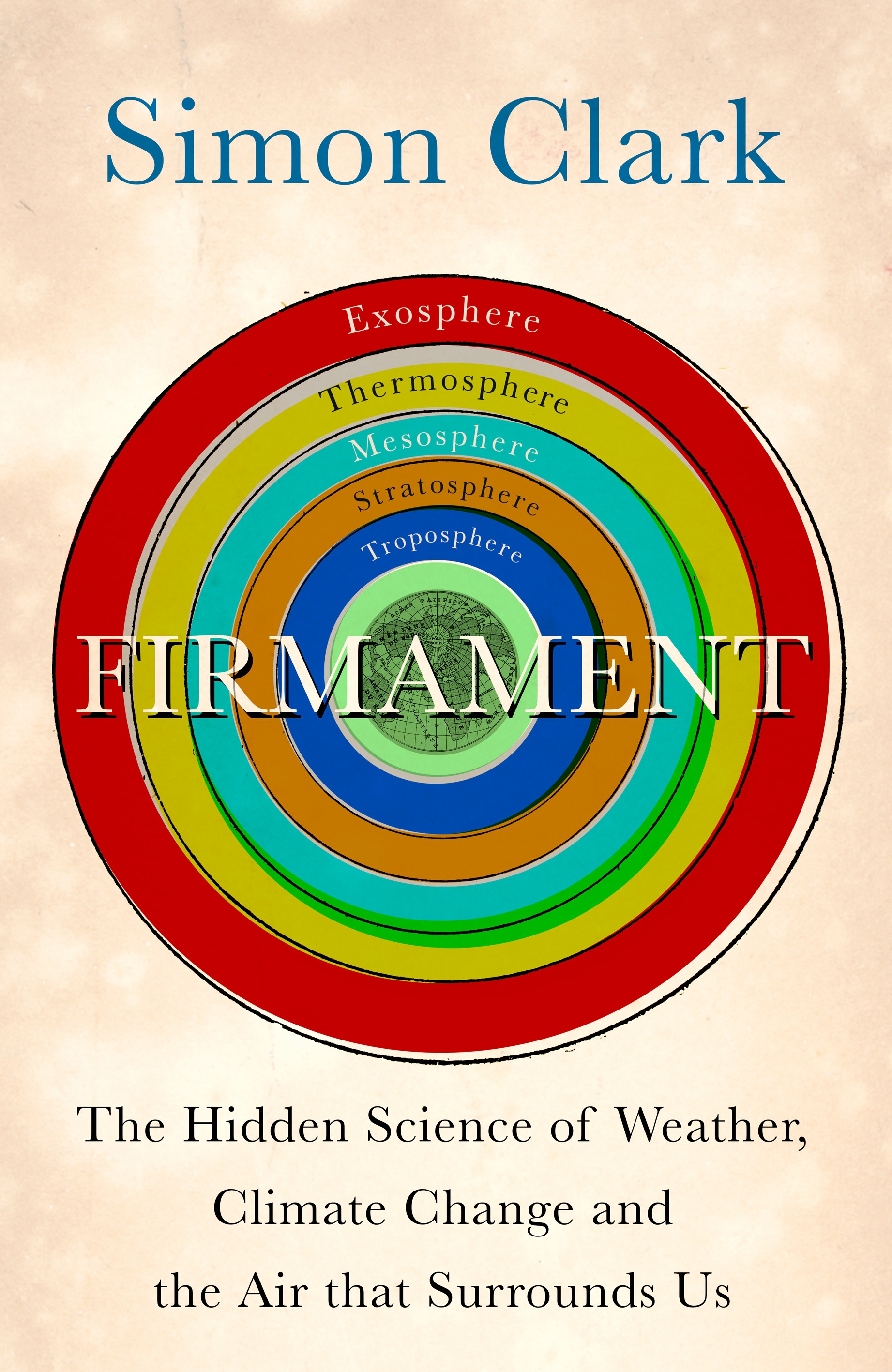
Firmament – The Hidden Science of Weather, Climate Change and the Air That Surrounds Us by Simon Clark: Simon Clark is another scientist who has proven he can communicate science well, as someone who has yet to take a atmospheric physics course I’m excited to get a primer on it.

Poetry

I don’t find there’s that much to say about poetry collections before reading it, even if you know of the poet there’s no certainty they do not bring something totally different this time, but I’m very excited to get to all of them.

Lunch Poems by Frank O’Hara

What Is This Thing Called Love by Kim Addonizio

Meditations in an Emergency by Frank O’Hara

So Far So Good by Ursula K. Le Guin

Best Queer Fantasy I’ve Read the Past Year

I’ve read so few books this year and am in the middle of exam season, but I always know pride month is around the corner from the increased interest in my queer book posts. That said, there’s always this difference, if a somewhat diffuse one, between great fantasy book with some queer characters and great queer fantasy. This list has a bit of both.

City of Strife by Claudie Arseneault

This was a book I reread this year, because it’s so unique in what it manages to do as a high fantasy. All the characters are queer; bisexual, demi, pan, poly, gender fluid, agender, asexual, aromantic is all represented in an overall ruthless and amazing magical city. I might have a big weakness for main characters who take the time to observe the world around them, is a thief or assassin, but also cares deeply for their friends and features platonic love. It’s politics, merchant families, rivalry. The plot builds so naturally on the personalities and choices made by these characters and their lives intertwining by living in the same city. It has quite the list of trigger warnings though, so be careful to check those. It is quite the ruthless city, which makes the constant focus on characters interacting with each other and the reality of the place so special.

Cemetery Boys by Aiden Thomas

I really would have loved this book as a middle school kid (or even younger actually). It’s a queer romance between a Latino trans boy and a gay boy, featuring murder mystery and ghosts. It’s fast-paced, funny, cute and dramatic, with a somewhat predictable plot which is why I don’t really think it fits into the older end of YA as it was marketed as.

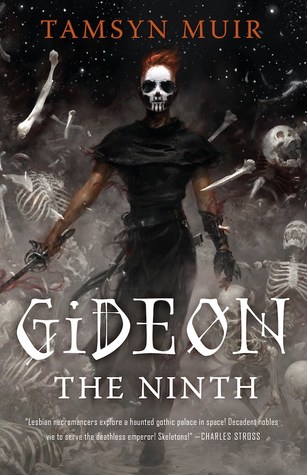
Gideon the Ninth by Tamsyn Muir

The tagline for this book seems to be lesbian necromancers in space, which would be correct. It’s very much a love it or hate it type of book, because you’re thrown into the plot and have to start paddling to keep up with the characters. It does a great job turning into an unusual fantasy book even though it’s set in a fairly usual setting of deadly competition. The writing and character personalities are fantastic, as well as the well-hidden system behind the magic – not to forget the enemies to lovers (maybe) of the main characters.

Foundryside by Robert Jackson Bennett

It’s a great fantasy book where the main character is sapphic and has a crush on a brilliant assistant she meets. It has thieves, heists, magical technology, Merchant Houses that controls the city and has created capitalist monopolies. The writing is very straight-forward for this type of book, and makes it very accessible and an easy read despite being high-fantasy and having great world-building.

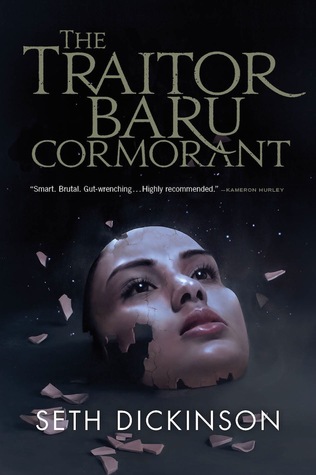
The Traitor Baru Cormorant by Seth Dickinson

Baru’s island is taken over and controlled under an empire that believes heavily in eugenics, ruthlessly changing the society as they see fit (including forcing queer couples apart) and placing the kids in terrifying boarding schools. And Baru plays the waiting game for revenge for her family which they murdered, as the colonizers clothe her and educate her in what they see fitting. Definitely a brutal fantasy, but more so in the cultural impact and strategies than the wars of high fantasy. It’s very much debating morality of if ends justify means, as Baru gets more ruthless and morally-gray in trying to achieve revenge. It’s a book about not losing yourself and, despite being “othered”, Baru always reconnecting with where she is from, with the fact that she’s a lesbian being a big part of that.

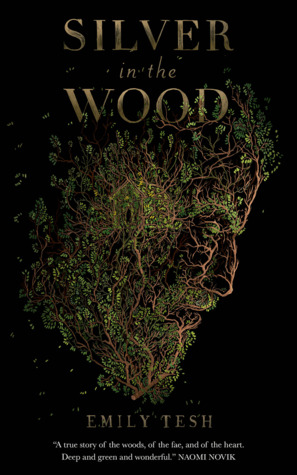
Silver in the Wood (Greenhollow Duology #1) by Emily Tesh

I was a bit unsure about this book while reading it, but I’ve been thinking about the vibes of this book since reading it. It has this cottagecore, forest aesthetic that really has a grip on me, with stories of the Wild Man of Greenhollow and the secret-folklorist that comes upon him. It’s short (112 pages) and manages to deliver on the fairytale-ish forest, magical realism vibes in the writing, but plot-wise, character-wise, etc. it does come up short to me. The m/m relationship and yearning could’ve been better as I didn’t quite feel it delivered on its potential, but it was worth the read looking back.

Mask of Shadows by Linsey Miller

I very much feel like this is the queer & way better version of Throne of Glass with its deadly auditions to become the Queen’s new assassin. What was a pleasant surprise was how the protagonist never was very vicious in their thought-process or tried to defend their actions, their reasoning behind taking lives were very business-like and unapologetic. The protagonist Sallot is gender-fluid using she and they pronouns based on how they present. Despite having a good start-point, the fantasy built on somewhat cheesy and typical fantasy plotlines that makes it very much YA fantasy, lacing in world-building or description and it’s a bit half-finished type of book.

This book brings me to a dilemma because it personally felt similiar vibes to “Ship of Smoke and Steel” by Sjango Wexler in the protagonist’s voice. But that book handled the queer aspect a lot worse including just not writing good female characters, while having a more interesting world powered by magic. So while Miller’s book wasn’t the best fantasy book I’ve read, I would rather recommend Miller’s book than Wexler’s.

Honorary mention to the (mainly) horror podcast “The Magnus Archive” which in their last season has an asexual relationship between two guys.

Exciting New Book Releases 2022 Spring/Summer

Here’s part one of book releases I’ve been looking forward to in 2022.

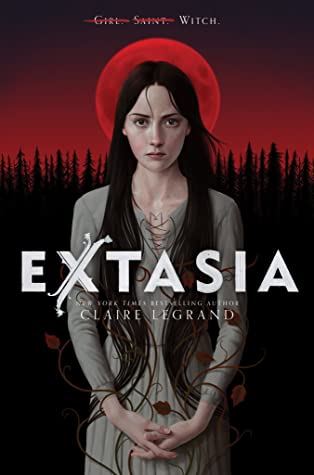
Extasia by Claire Legrand

Release date: 22. February 2022

Why I want to read it: the author also wrote “Sawkill Girls” which I liked, and it’s a YA horror with a religious cult, overthrowing patriarchy and sapphic protagonists.

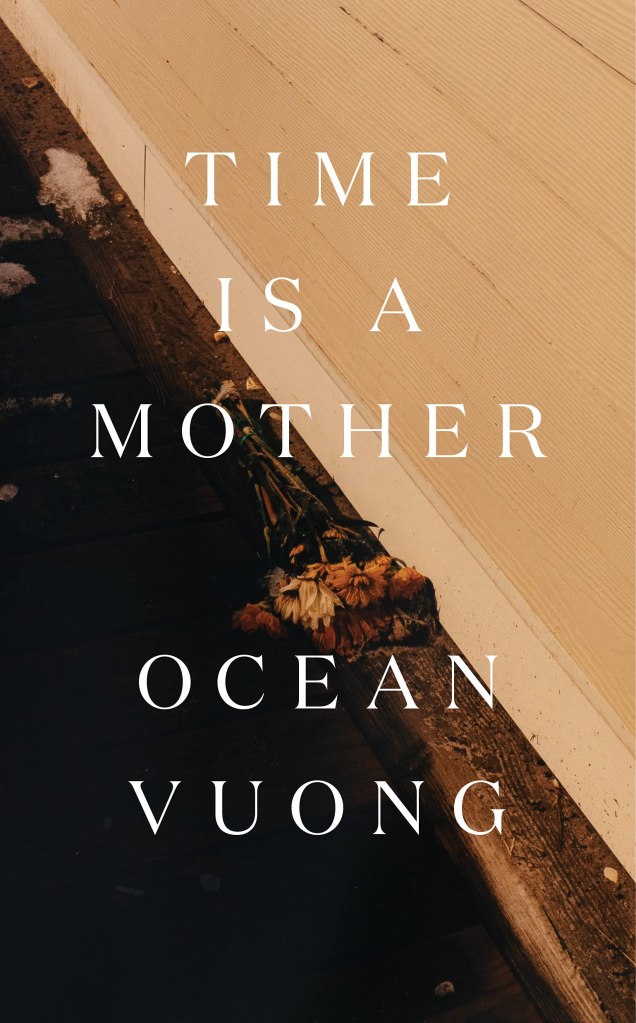
Time is a Mother by Ocean Vuong

Release date: 5. April 2022

Why I want to read it: Vuong’s other poetry collection was stunning and real, with big themes like grief and war, but drawing from very personal experiences

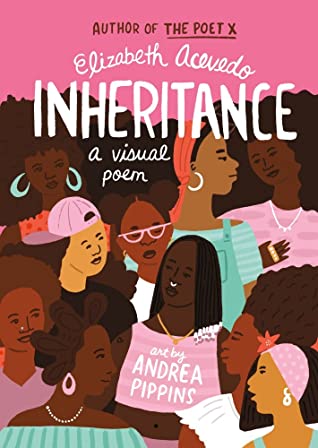
Inheritance: a visual poem by Elizabeth Acevedo

Release date: 3. May 2022

Why I want to read it: I love Acevedo’s poetry and way to tell stories already. Never know quite what to expect in terms of format, which is great.

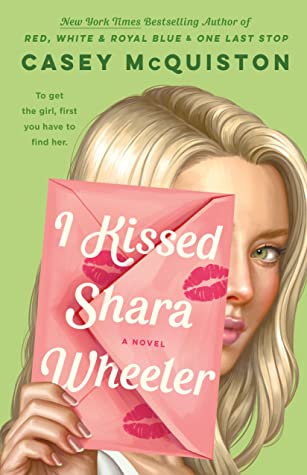
I Kissed Shara Wheeler by Casey McQuiston

Release date: 3. May 2022

Why I want to read it: sapphic romances, especially by authors I already know can write well, are always worth a shot

Book of Night by Holly Black

Release date: 3. May 2022

Why I want to read it: a more adult, dark fantasy with thieves, secret societies, magic with consequences and murders. I don’t think I’ve ever read a bad book from Holly Black.

Siren Queen by Nghi Vo

Release date: 10. May 2022

Why I want to read it: an unusual book for me to pick up, but a lot of people seem to like this 30s Hollywood story with a Chinese American protagonist who has to navigate dark rituals and folklore in what seems to be somewhat of a fantasy book with sapphics.